Live · NASA/JPL Horizons
Roman Space Telescope Mission Control
Where Roman is right now, how fast it’s moving, and what comes next — from launch on August 30, 2026 to first light and the start of science.
Telemetry
- Mission elapsed time
- —
- Distance from Earth
- —
- Speed relative to Earth
- —
- One-way light time
- —
- Journey to L2
- —
- Phase
- Commissioning
Position from NASA/JPL Horizons (spacecraft ID -211), refreshed every 15 minutes.
Path to L2 · Sun–Earth rotating frame, viewed from above
The observatory in 3D
3D model: NASA Goddard Space Flight Center.
By the numbers
- Launch
- Aug 30, 2026, 7:26 a.m. EDT SpaceX Falcon Heavy, Launch Complex 39A, Kennedy Space Center
- Destination
- Sun–Earth L2 About 1 million miles (1.5 million km) from Earth, alongside Webb
- Primary mirror
- 2.4 m The same size as Hubble’s
- Camera
- 300 megapixels Wide Field Instrument: 18 detectors of 4096 × 4096 pixels
- Field of view
- 0.28 deg² About 1.5× the area of the full Moon; at least 100× Hubble’s
- Sharpness
- 0.11″ / pixel Hubble-class resolution across the whole field
- Wavelengths
- 0.5–2.3 µm Red visible light into the near-infrared
- Filters
- 8 + grism + prism F062, F087, F106, F129, F146, F158, F184, F213
- Mission
- 5 years Designed for a 5-year extension; refuelable by design
- Names on board
- 1.3 million+ Public names carried on a memory card to L2
Field of view
One Roman exposure covers more sky than the full Moon. Hubble’s and Webb’s near-infrared cameras would fit inside a single Roman detector many times over.
Timeline
Dated milestones are confirmed by NASA; estimates are labelled and update as the mission progresses.
WFIRST renamed for Nancy Grace Roman
NASA names its next flagship survey telescope after its first Chief of Astronomy.
Observatory complete
Roman is fully assembled at NASA Goddard and begins final environmental testing.
Encapsulated
Roman is sealed inside the Falcon Heavy payload fairing at Kennedy Space Center.
Launch
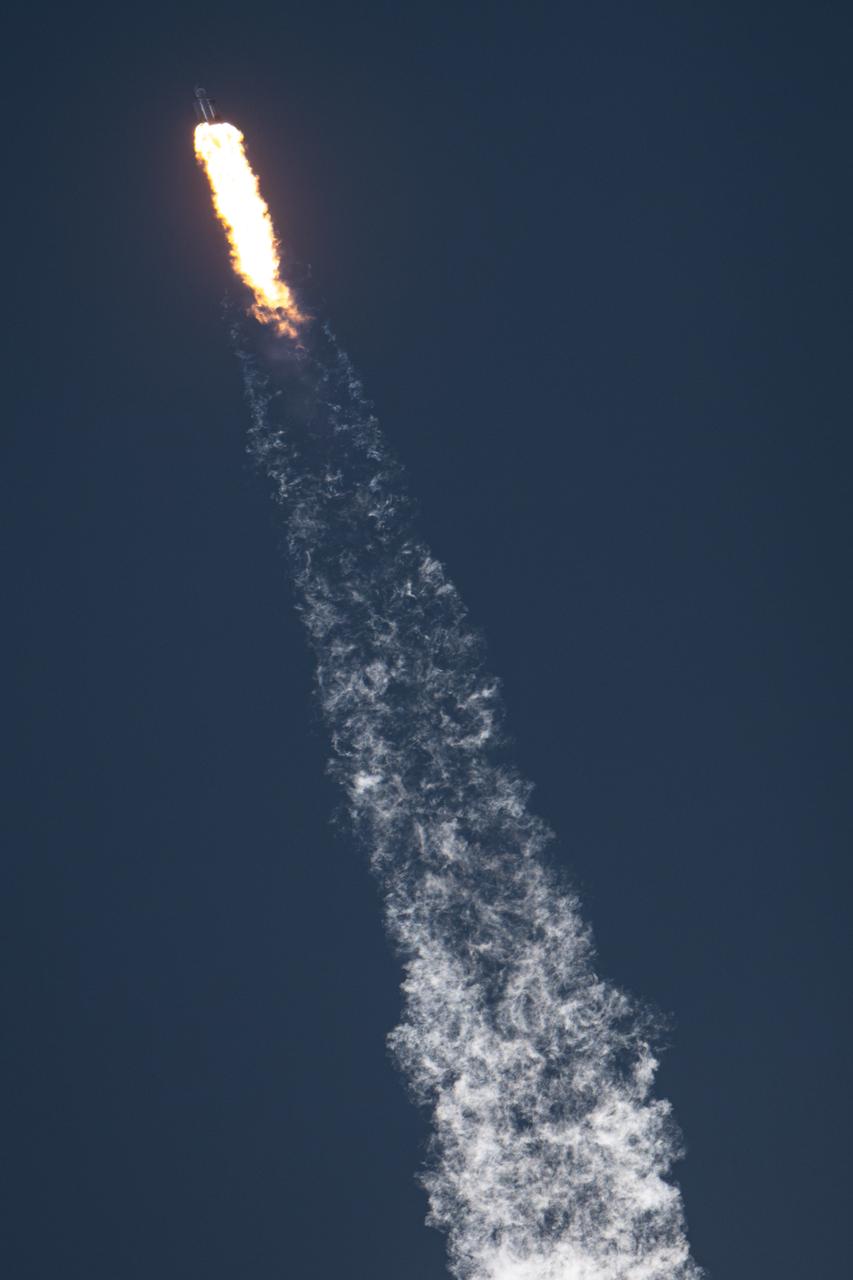
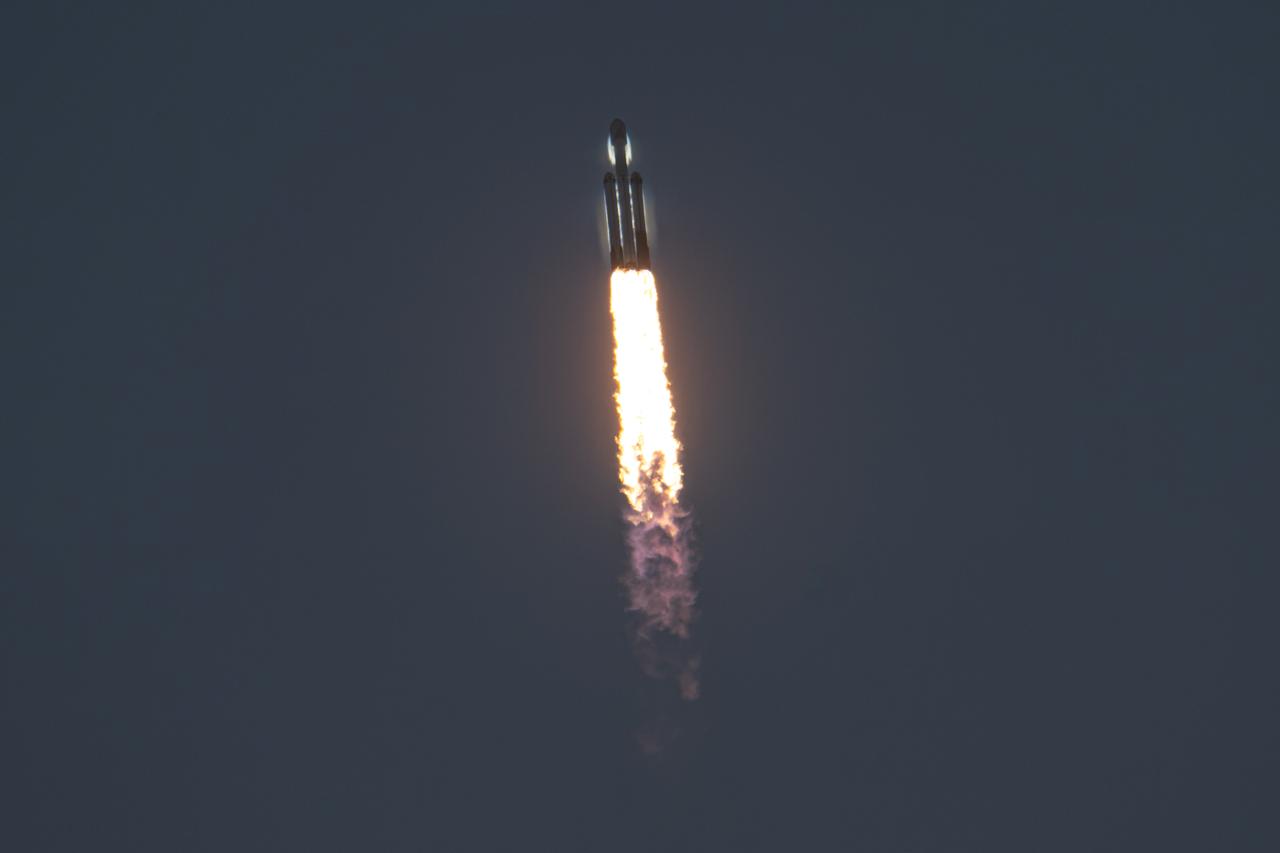
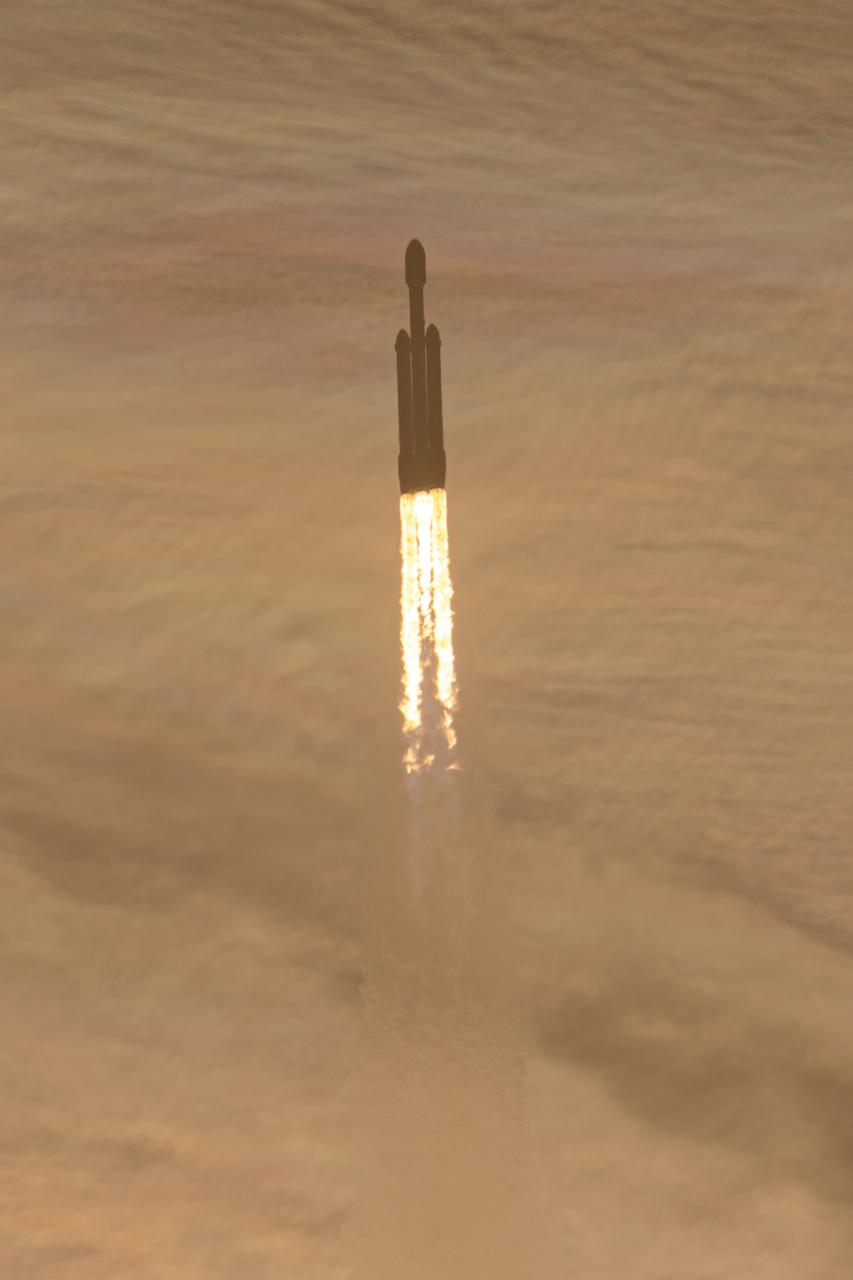
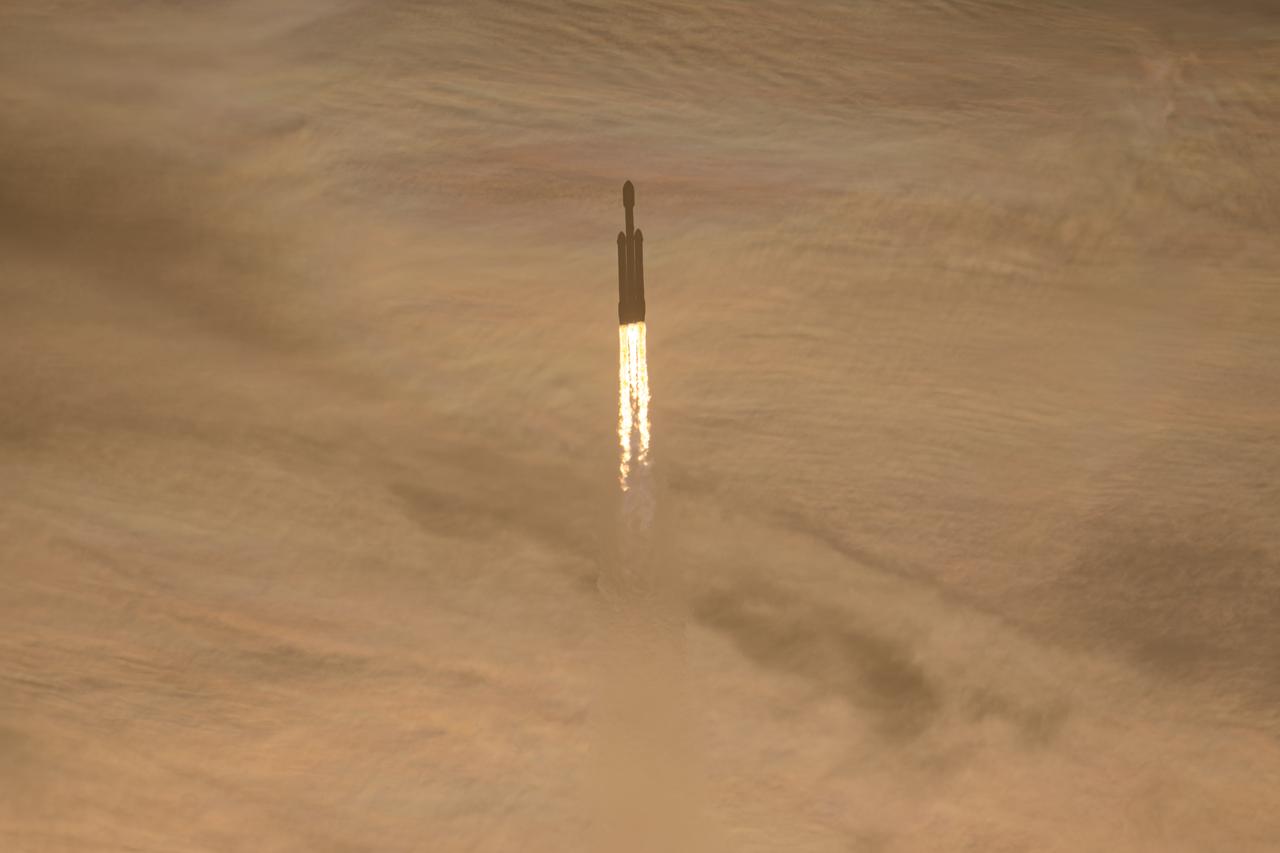
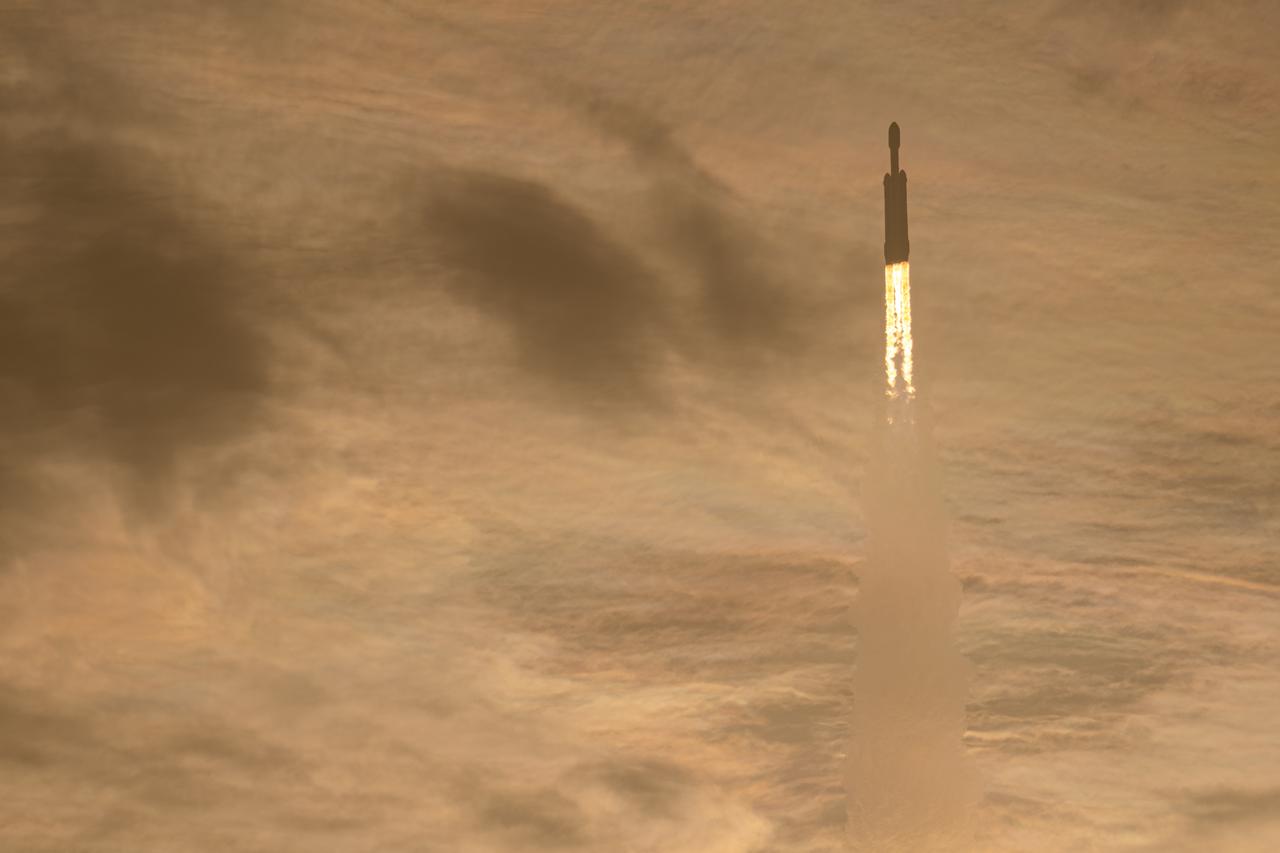
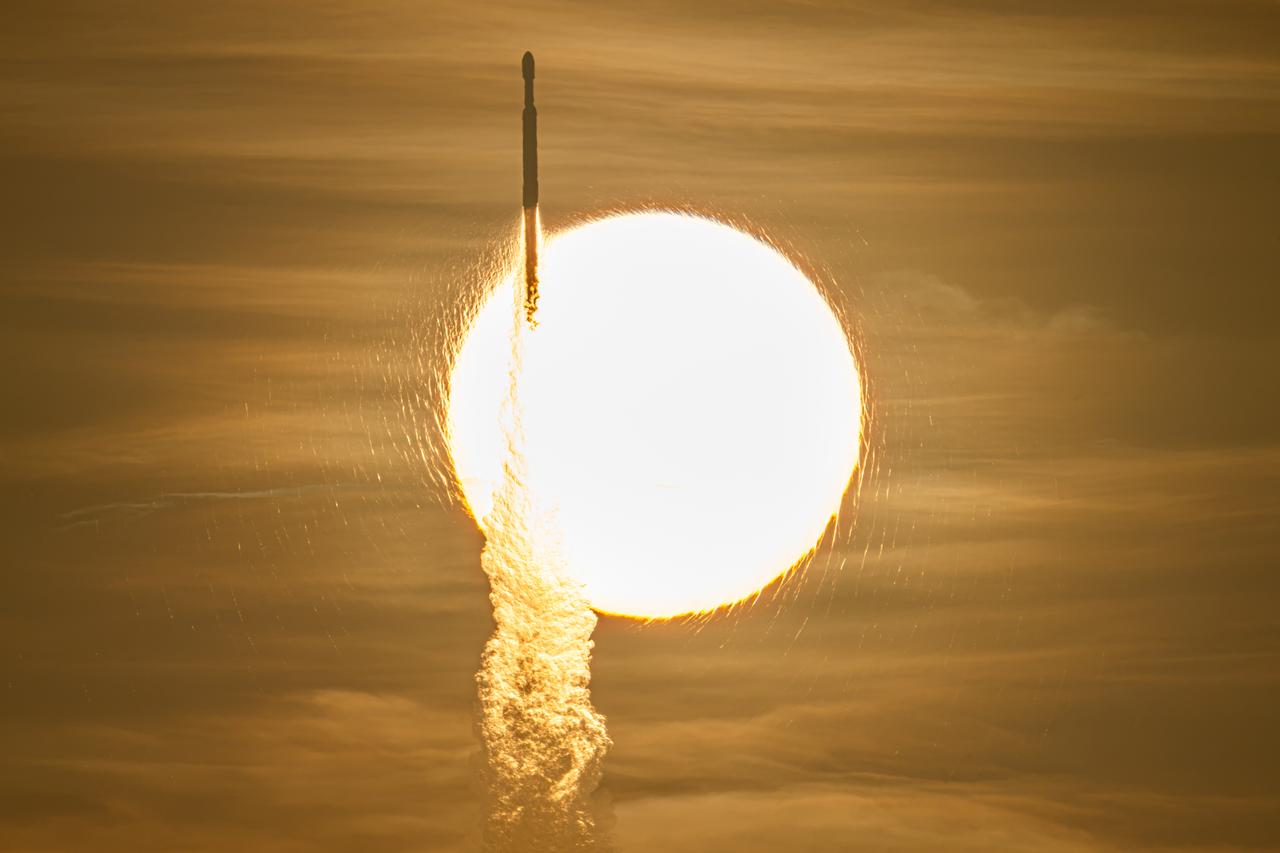
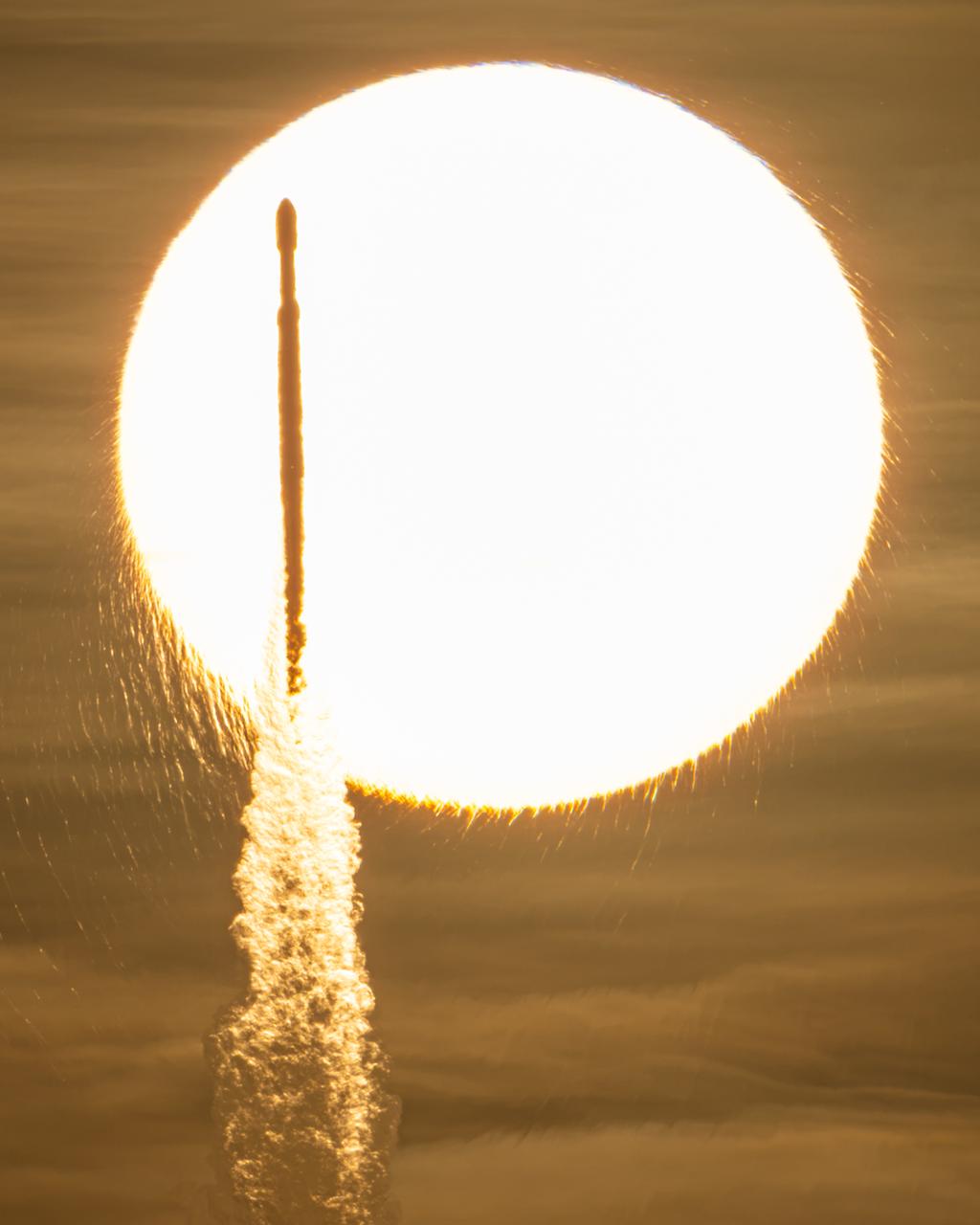
Liftoff at 7:26 a.m. EDT on a SpaceX Falcon Heavy. Solar panels and sunshade deploy about 83 minutes later.
Antenna and aperture cover deployed
NASA confirms the high-gain antenna and visor-like aperture cover are deployed; commissioning is under way.
Arrival at L2
After a roughly three-month cruise Roman settles into a halo orbit around Sun–Earth L2.
(next milestone)First images
NASA expects to share Roman’s first images in early 2027, after commissioning and calibration.
Science operations begin
Core community surveys start, with every observation made public as soon as it is processed.
Mission blog
NASA’s Roman blog →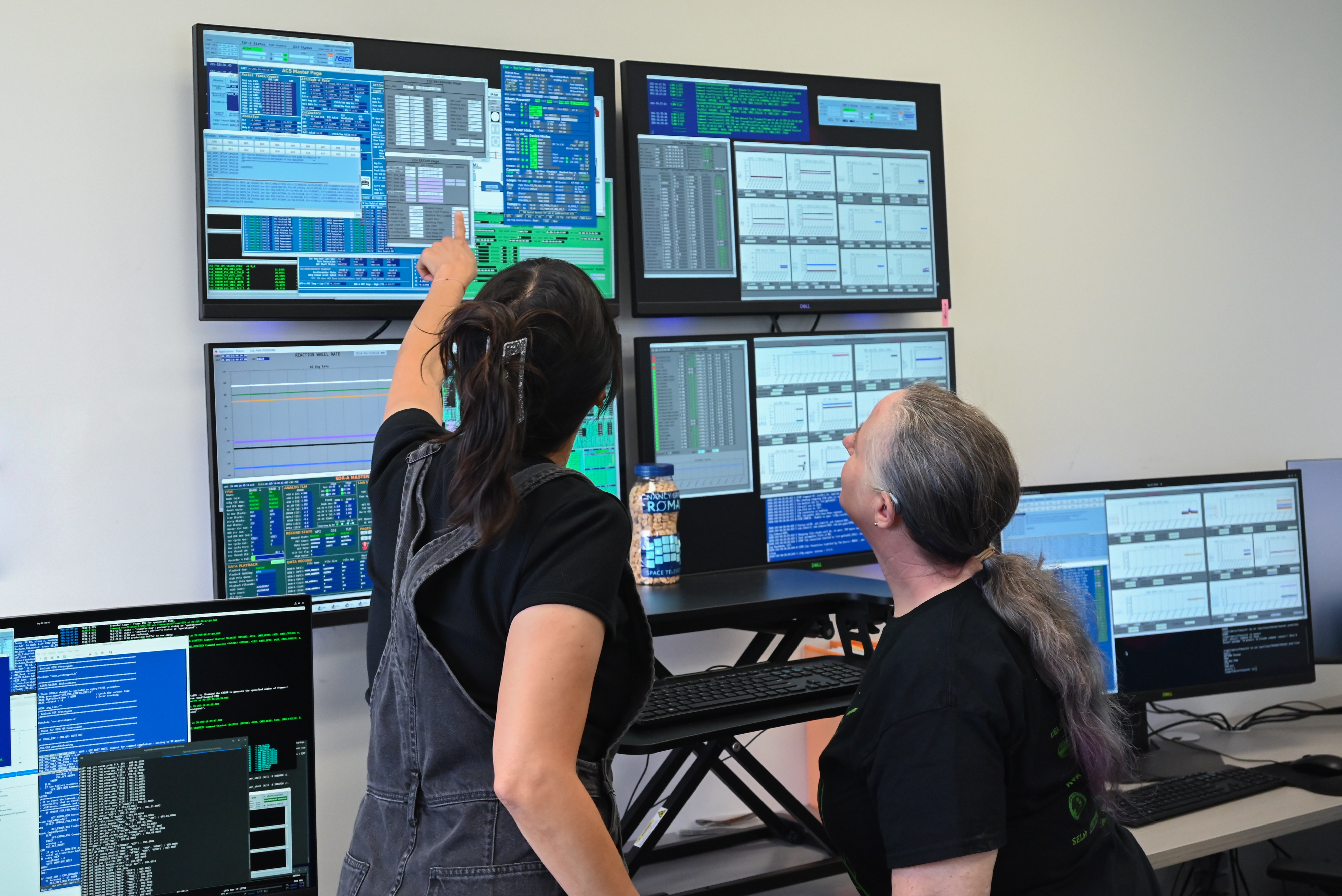
NASA Checks Roman Guidance System, Takes First Coronagraph Observation
NASA’s Nancy Grace Roman Space Telescope’s fine-guidance system, which allows the observatory to lock very steadily onto its targets during observations, passed a spate of tests from Sept. 15 to 21. Then on Sept. 22, the mission’s…
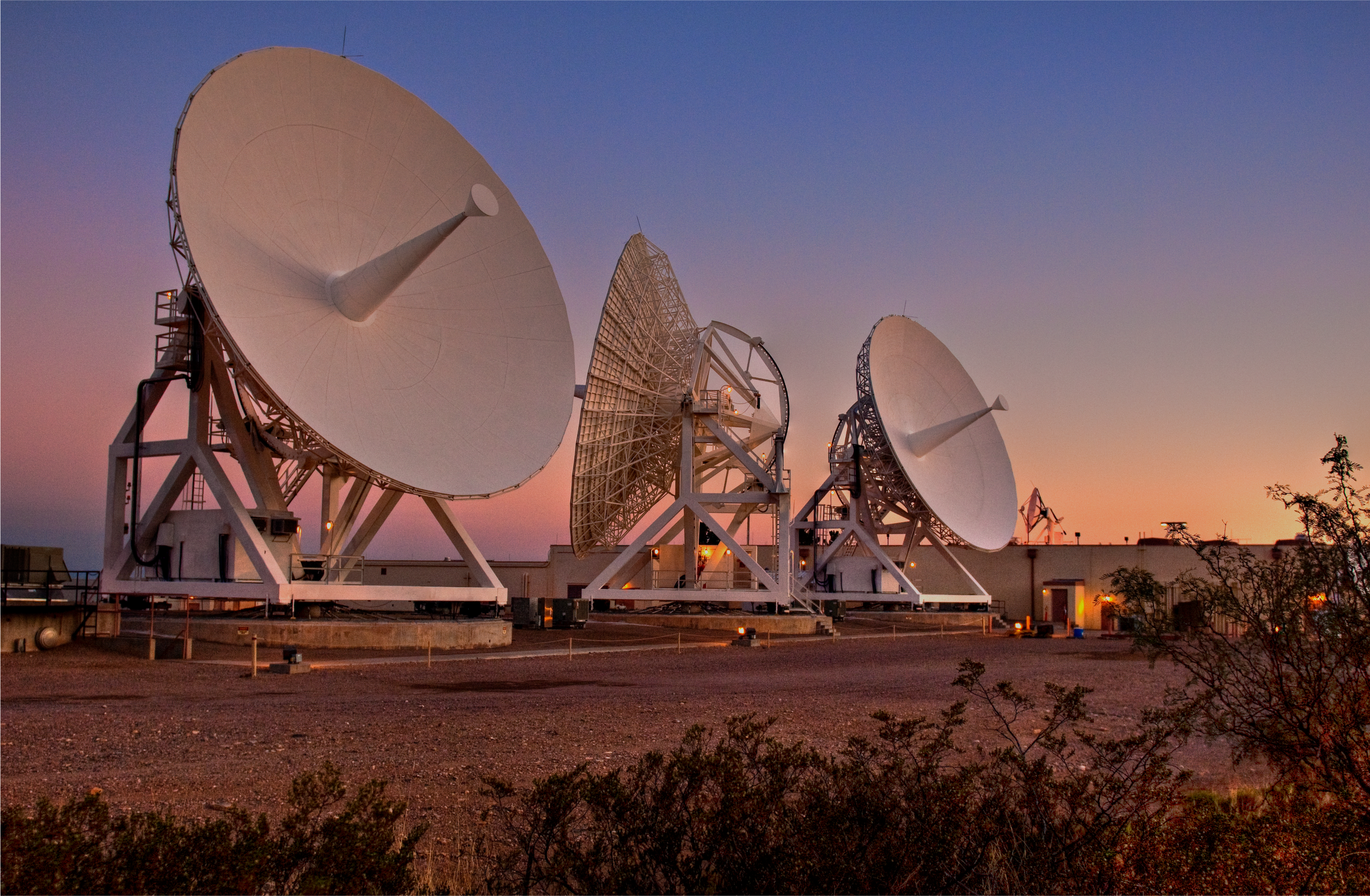
NASA’s Roman Team Confirms Ground Stations Receiving Data
NASA has now confirmed all ground stations supporting the agency’s Nancy Grace Roman Space Telescope are ready to receive the mission’s high volume of data once science operations begin by early 2027. Observing the far reaches of the…
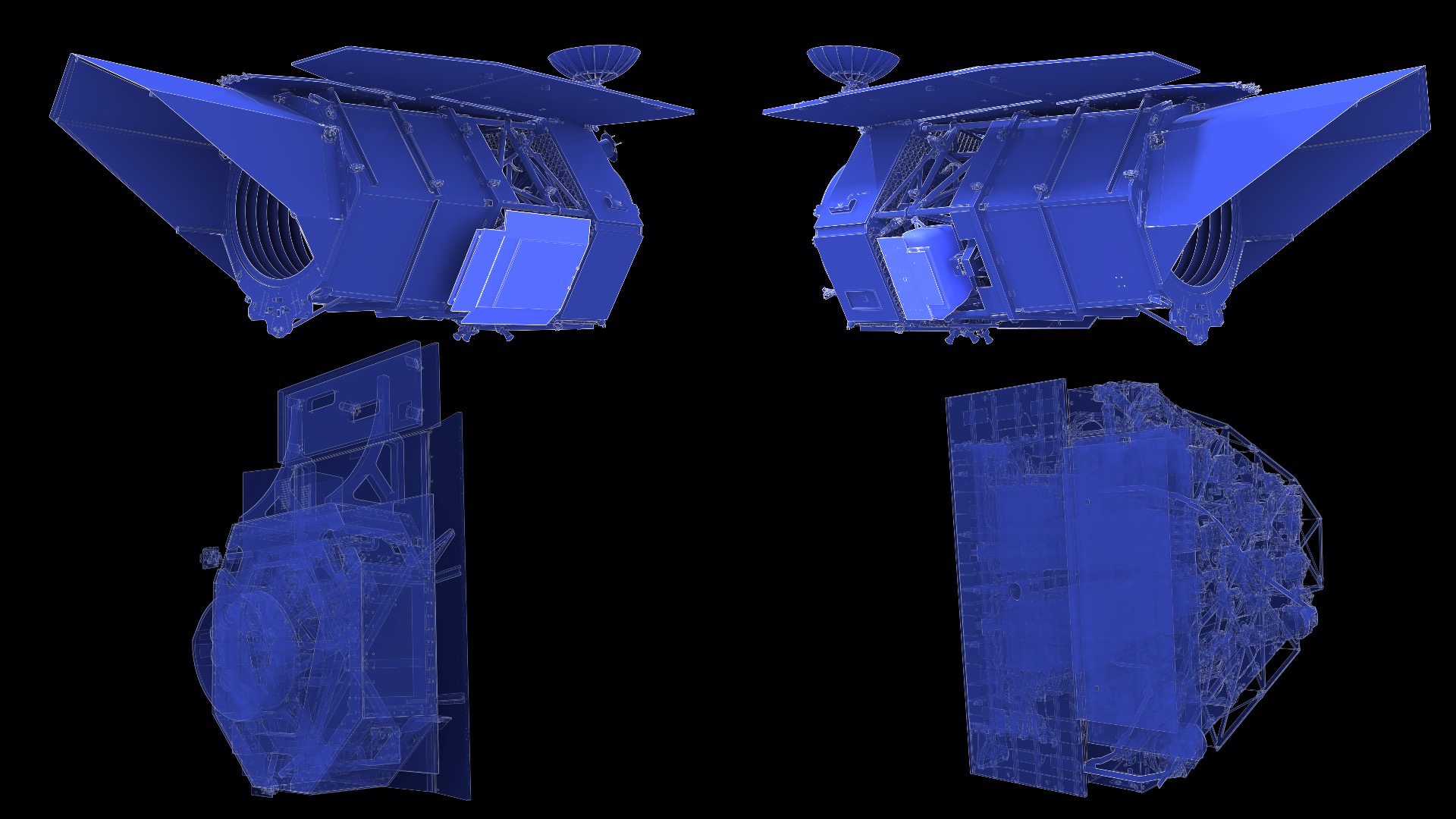
NASA Activates Roman’s Primary Instrument, Checks Out Coronagraph
NASA’s Nancy Grace Roman Space Telescope team has successfully activated the Wide Field Instrument, a 300-megapixel infrared camera that will allow scientists to explore wide swaths of the cosmos very quickly without sacrificing exquisite…
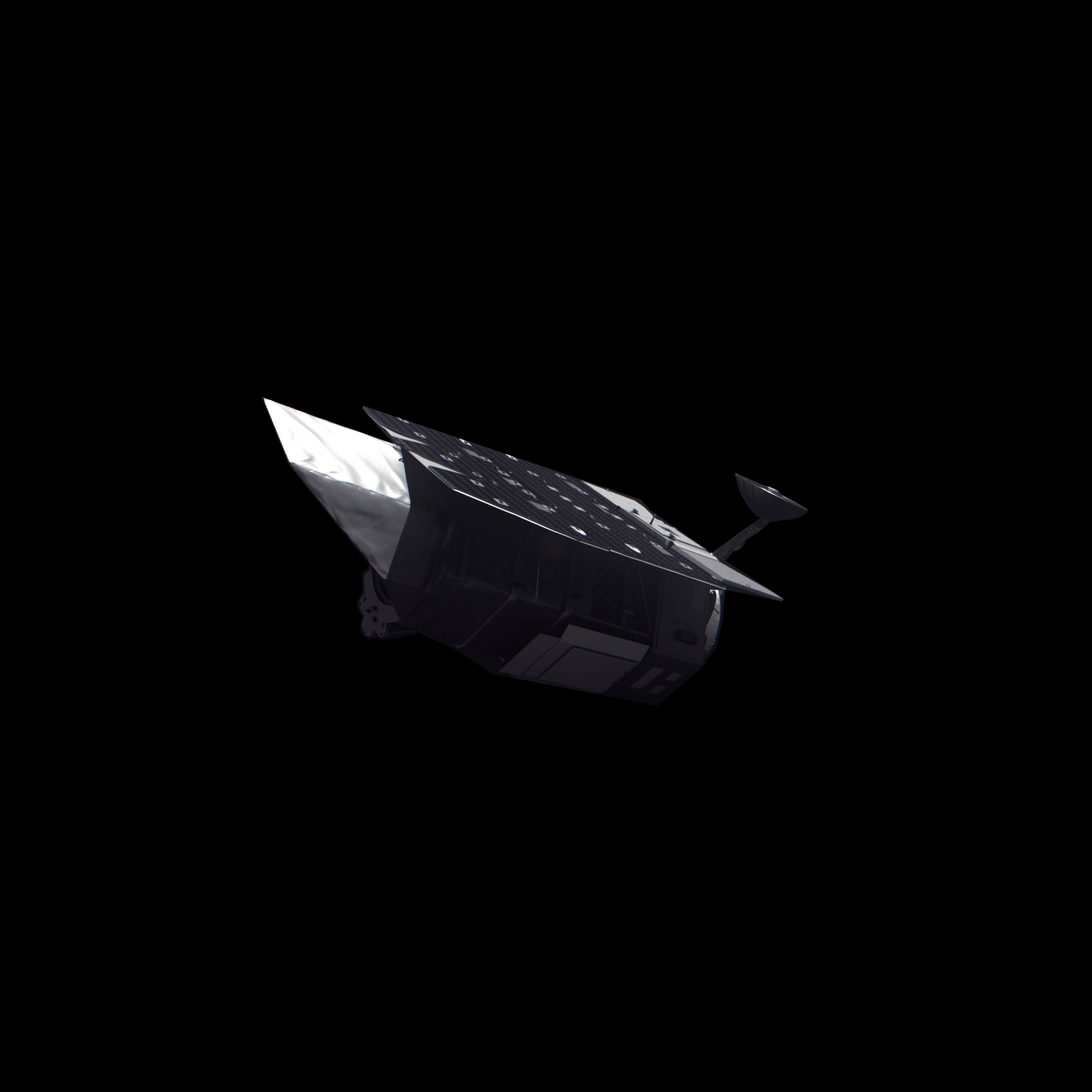
Fuel Savings Double Potential Lifetime for NASA’s Roman Mission
The results are in: NASA’s Nancy Grace Roman Space Telescope’s very accurate first mid-course correction, along with other fuel savings, are expected to more than double the mission’s potential operational lifetime. “As a result of…
NASA Roman’s Planet Imager Has Powered On
NASA’s Nancy Grace Roman Space Telescope team has successfully activated the mission’s Coronagraph Instrument, which will block starlight to view planets and dusty disks around nearby stars. Now the instrument will undergo a monthslong…
NASA Roman Space Telescope’s Antenna, ‘Visor’ Deployed
Roman’s antenna and visor-like sunshade have successfully deployed. Roman will downlink the highest data volume of any NASA astrophysics mission so far via its high-gain antenna, which measures 5.6 feet wide yet only weighs 24 pounds. It’s…