Roman Space Telescope News
The latest stories, blog posts and image releases about Roman from NASA, refreshed automatically every 30 minutes.
From NASA
NASA’s Hubble Offers Cosmic Sampler of Targets for Roman
A gallery of gravitational lenses captured by NASA’s Hubble Space Telescope showcases the diversity of this cosmic phenomenon and lays the groundwork for follow-up observations by the Nancy Grace Roman Space Telescope.
NASA’s Hubble Charts Path for Roman with Gravitational Lenses
This observation is one of many gravitational lensing images taken by Hubble in preparation for science with the new Nancy Grace Roman Space Telescope.
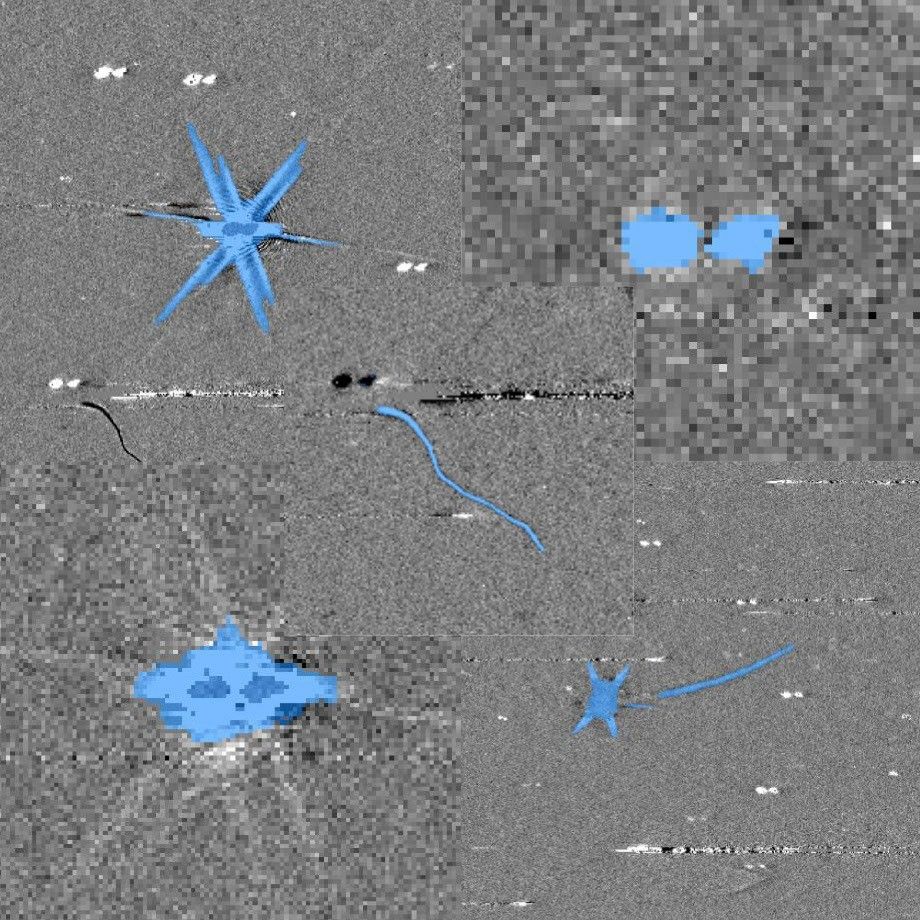
Help Refine Data from Space Telescopes with Artifact InSPECtor
How do scientists studying space with data from a telescope hundreds of thousands of miles away know that what they are seeing is real? A new NASA project, Artifact InSPECtor, invites you to find out – and by doing so, to help missions…
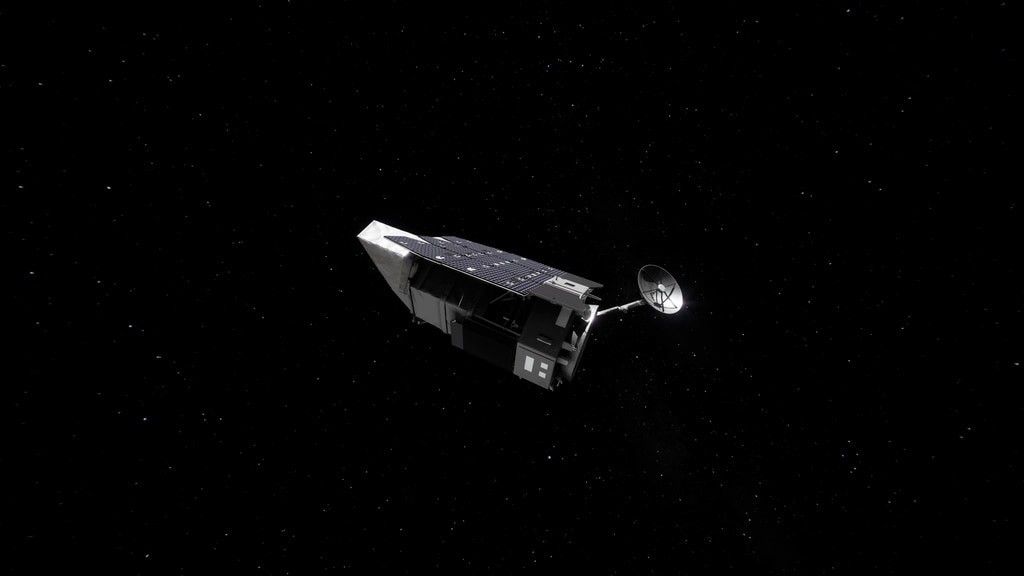
Roman Commissioning
Where is Roman? Roman is making its three-month journey from Earth to Sun-Earth Lagrange Point 2, or L2. Along the way, Roman is undergoing a process called commissioning, where systems are turned on, adjusted, calibrated, and prepared for…
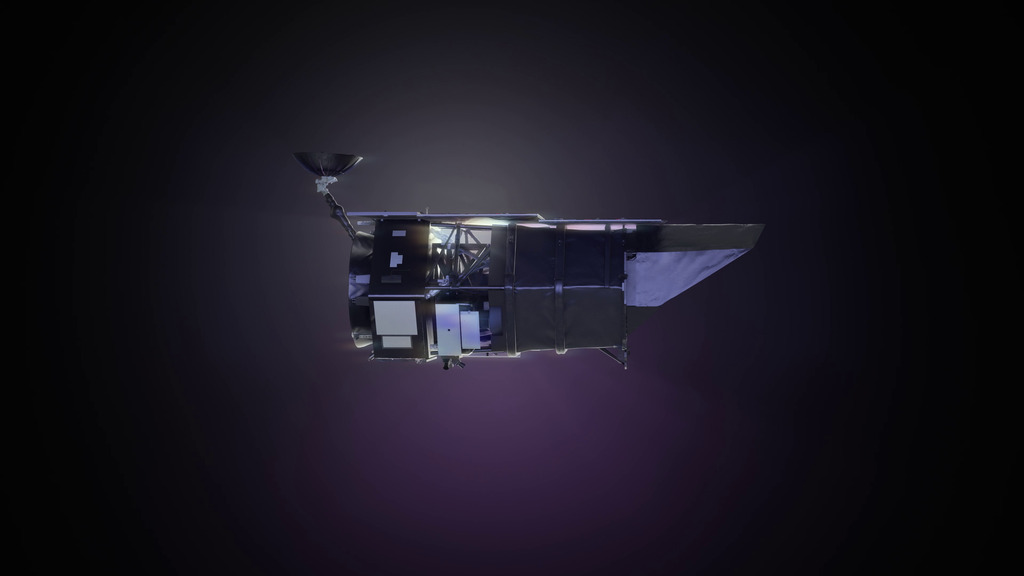
9 Things to Know About NASA’s Nancy Grace Roman Space Telescope
NASA’s Nancy Grace Roman Space Telescope is set to launch at 7:26 a.m. EDT on Sunday, Aug. 30. While you wait to watch the launch, brush up on some key facts about this wide-view mission. To learn more about the Roman mission, visit…

Hubble Survey Sets Up Roman’s Future Look Near Milky Way’s Center
The Milky Way’s galactic bulge, the bulbous region that surrounds the galactic center, contains a dense collection of stars, planets, and other free-floating objects. This region has been studied for decades with numerous ground-based and…
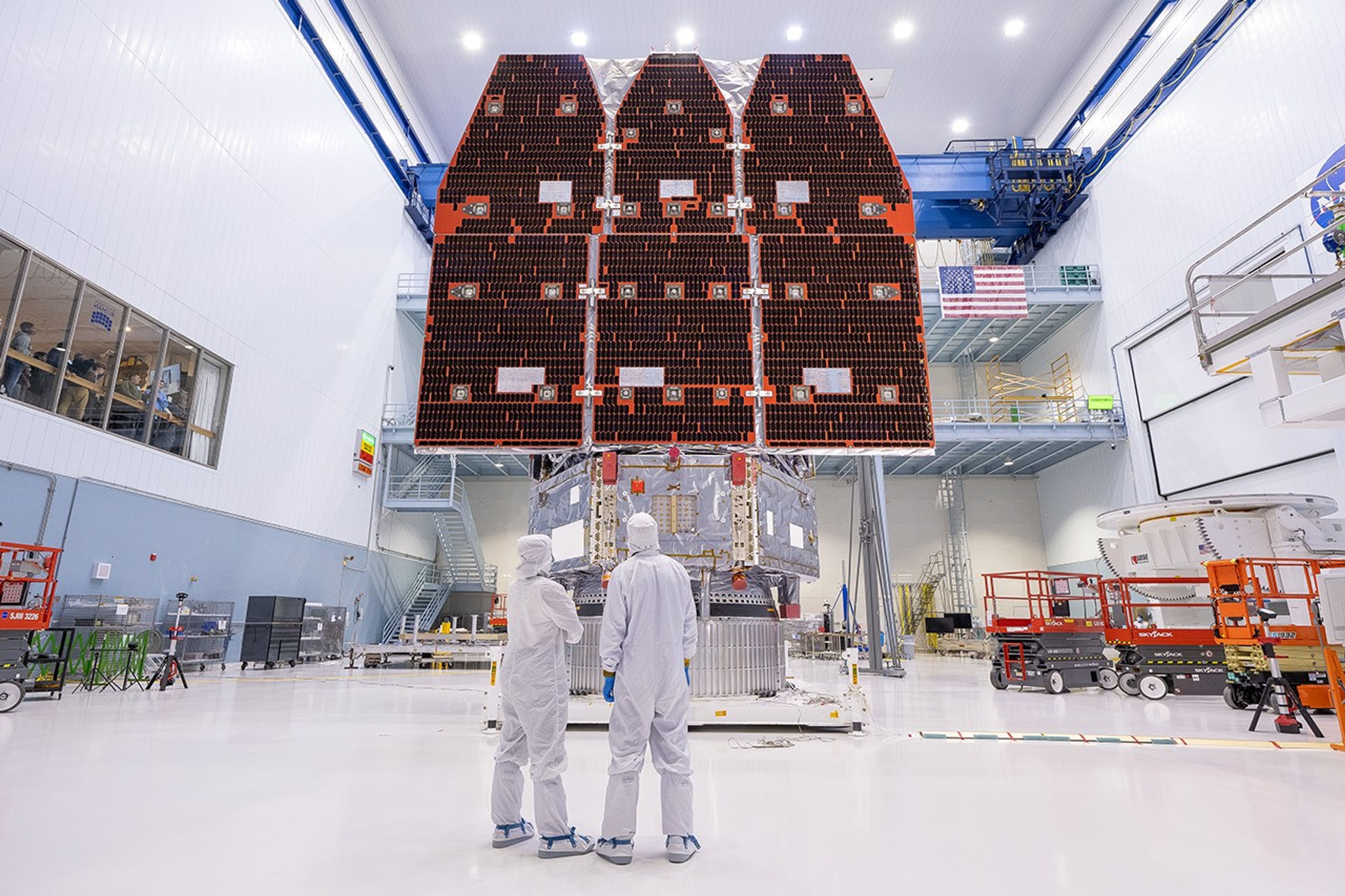
Building Roman
Technicians have completed the construction of NASA’s Nancy Grace Roman Space Telescope. The Roman observatory is slated to launch on August 30, 2026. The mission will revolutionize our understanding of the universe with its deep, crisp…
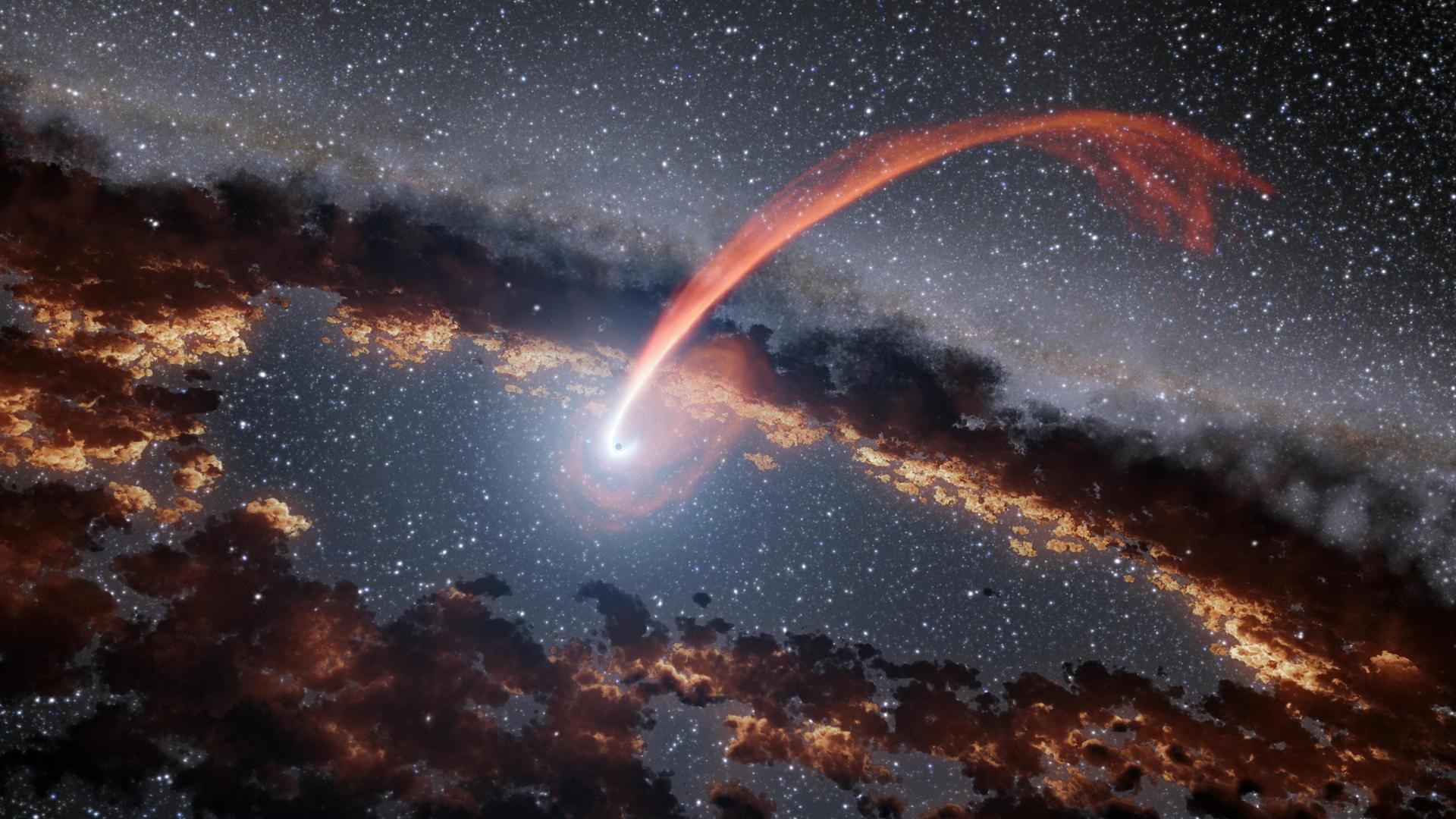
3 Black Holes Caught Eating Massive Stars in NASA Data
Black holes are invisible to us unless they interact with something else. Some continuously eat gas and dust, and appear to glow brightly over time as matter falls in. But other black holes secretly lie in wait for years until a star comes…
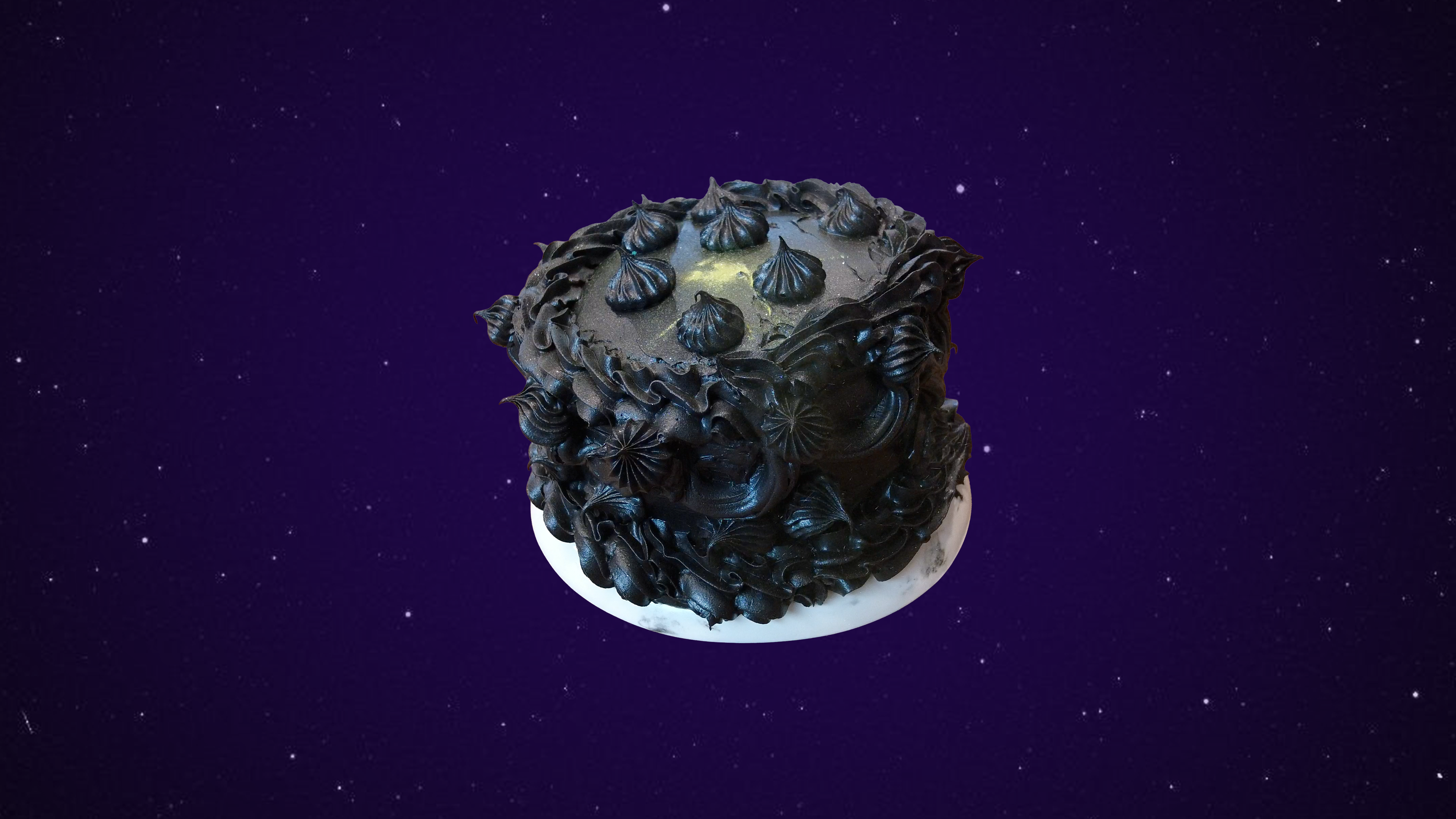
Let’s Bake a Cosmic Cake!
To celebrate what would have been the 100th birthday of Dr. Nancy Grace Roman — NASA’s first chief astronomer and the namesake for the agency’s nearly complete Nancy Grace Roman Space Telescope — we’re baking a birthday cake! This isn’t…


Roman mission blog
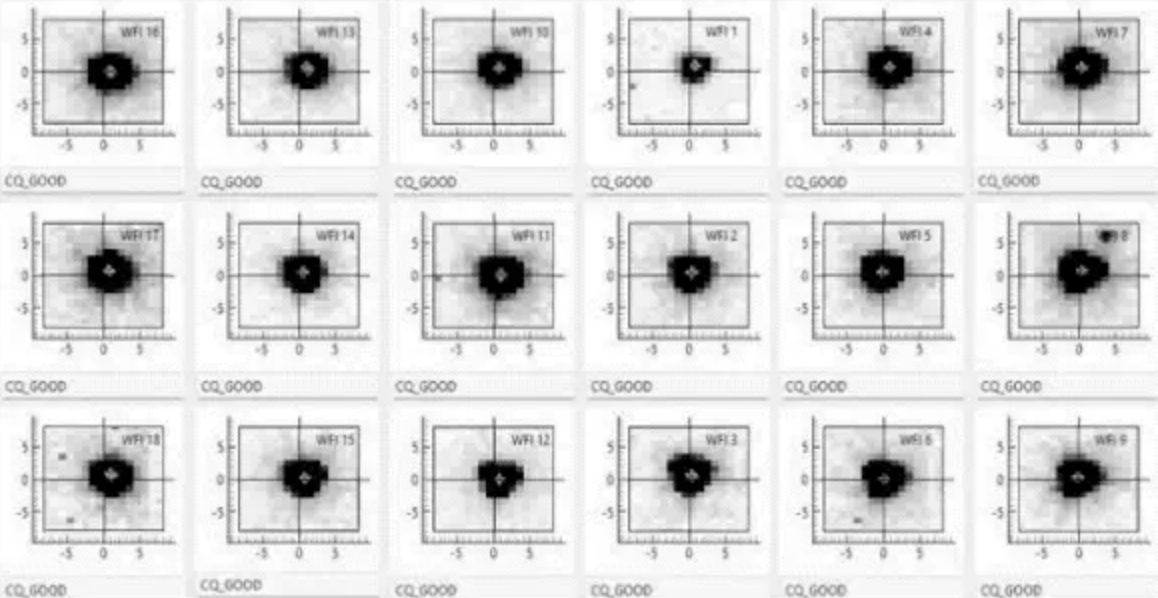
Instruments on NASA’s Roman Space Telescope Get in Sync for Science
NASA’s Nancy Grace Roman Space Telescope has completed a key milestone, bringing its instruments into precise alignment and moving the observatory another step closer to science operations. “Roman requires exquisite alignment because it…
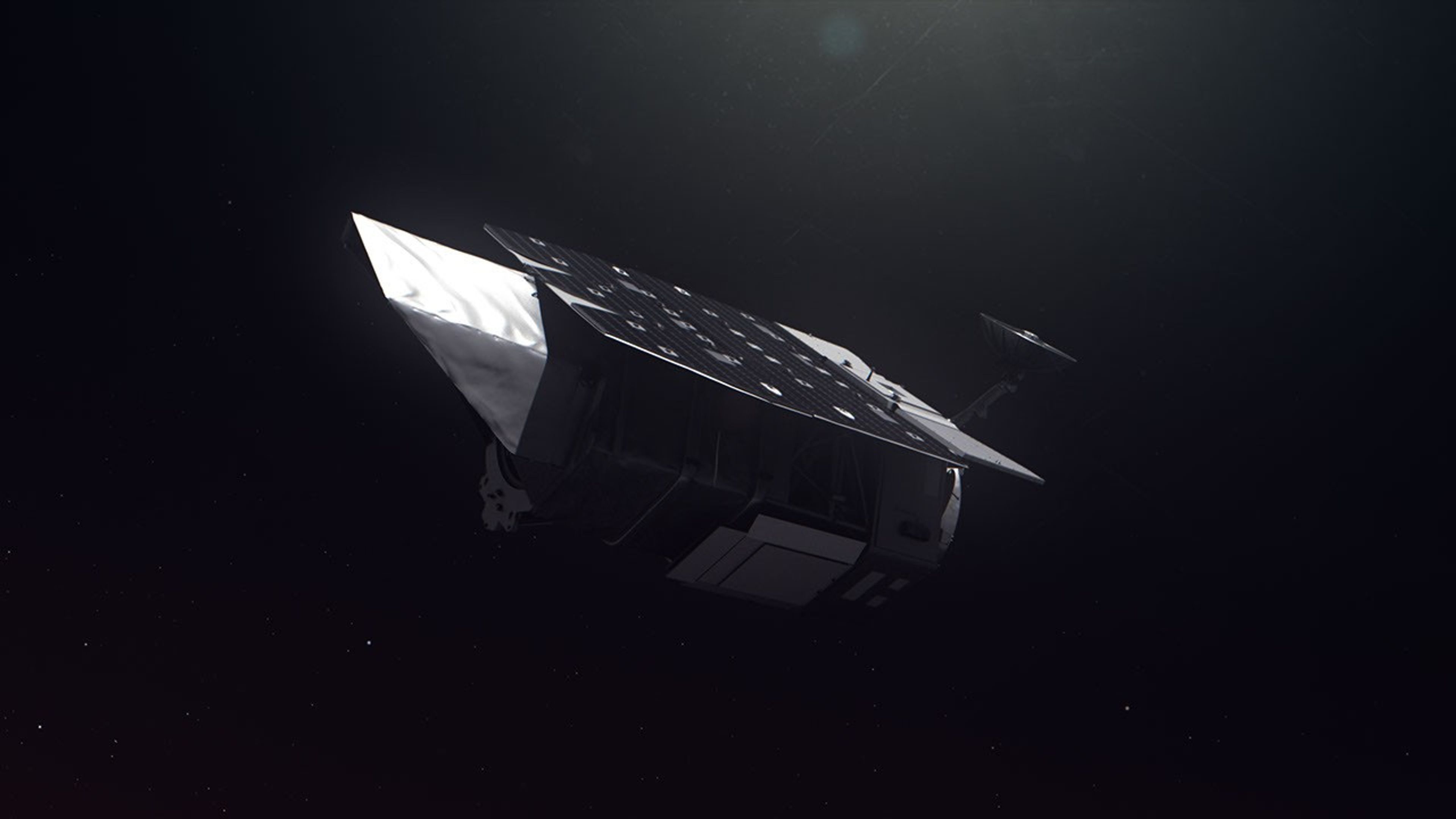
NASA’s Roman Space Telescope Enters Final Commissioning Phase
NASA’s Nancy Grace Roman Space Telescope mission has now entered the science commissioning phase, having successfully completed a comprehensive checkout and refinement of the observatory and primary instrument performance. “We’ve…
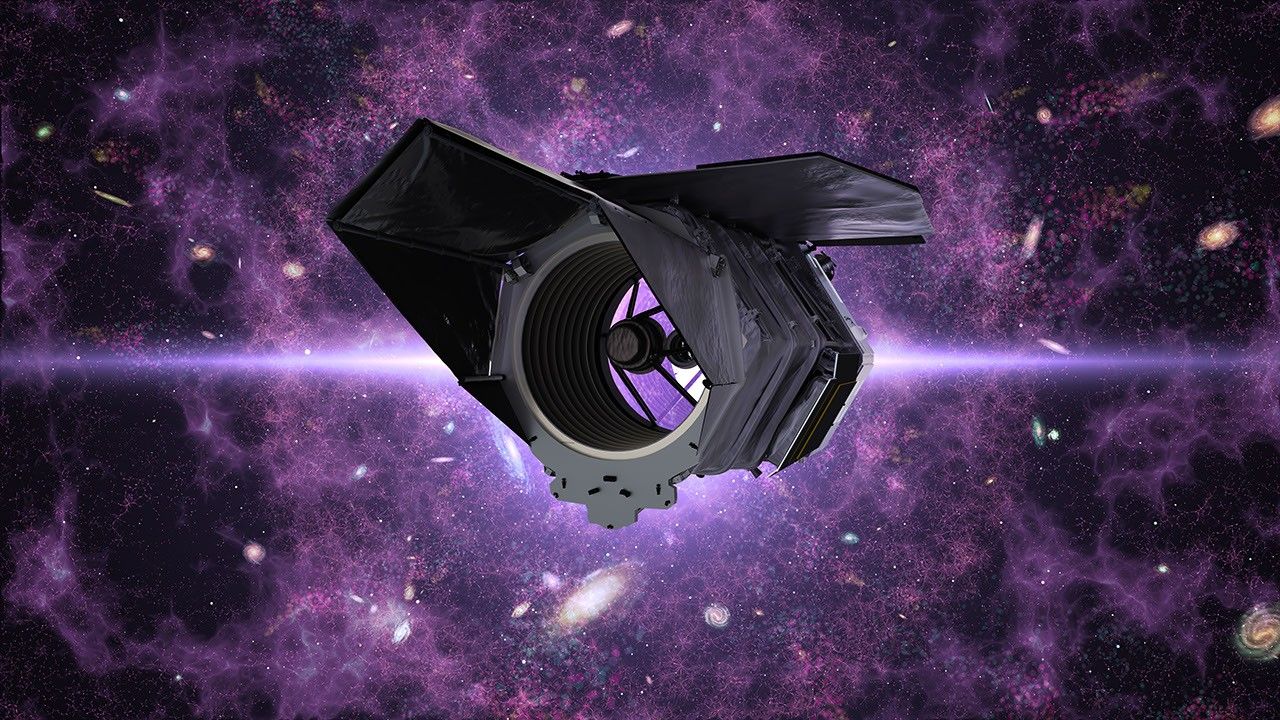
TIME Best Inventions of 2026
NASA’s new Nancy Grace Roman Space Telescope was among the year’s top innovations recognized Thursday on TIME’s Best Inventions of 2026 list.
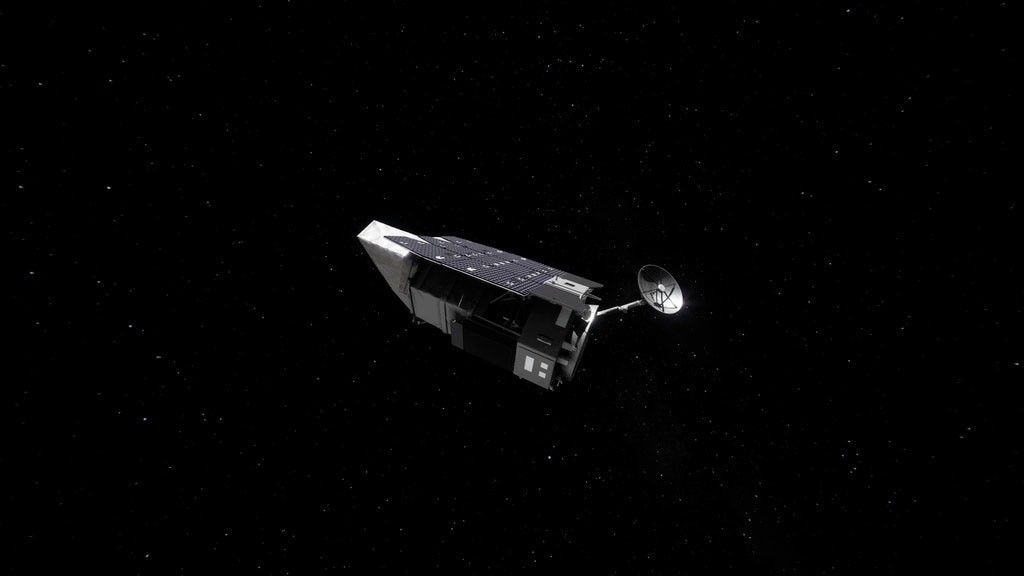
NASA Roman Team Checks Out Main Instrument, Sharpens Telescope’s Focus
NASA’s Nancy Grace Roman Space Telescope team completed a marathon of activities to fine-tune the observatory’s vision and prepare the primary instrument for routine use. “All of Roman’s sweeping surveys will rely on the Wide Field…
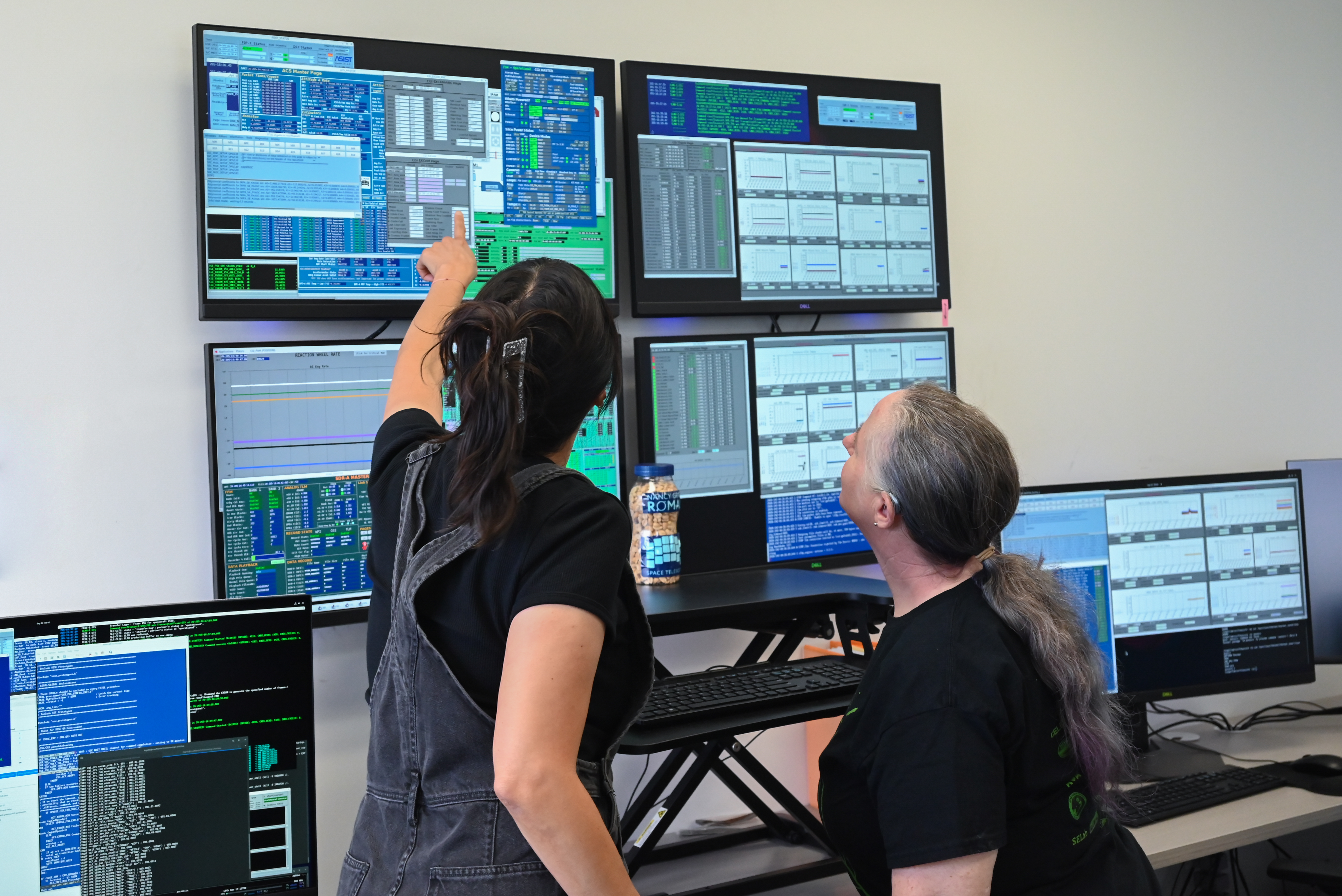
NASA Checks Roman Guidance System, Takes First Coronagraph Observation
NASA’s Nancy Grace Roman Space Telescope’s fine-guidance system, which allows the observatory to lock very steadily onto its targets during observations, passed a spate of tests from Sept. 15 to 21. Then on Sept. 22, the mission’s…
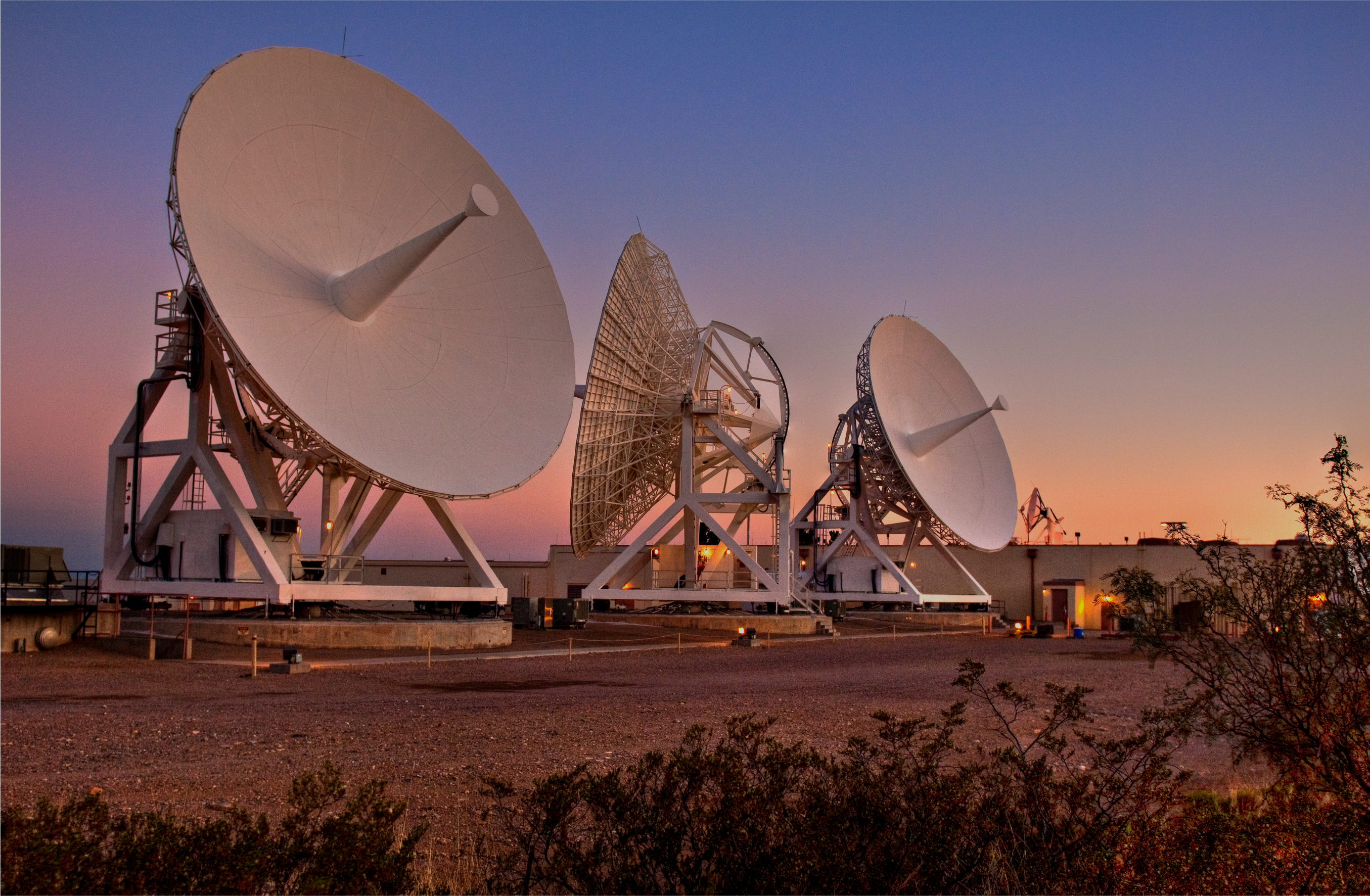
NASA’s Roman Team Confirms Ground Stations Receiving Data
NASA has now confirmed all ground stations supporting the agency’s Nancy Grace Roman Space Telescope are ready to receive the mission’s high volume of data once science operations begin by early 2027. Observing the far reaches of the…
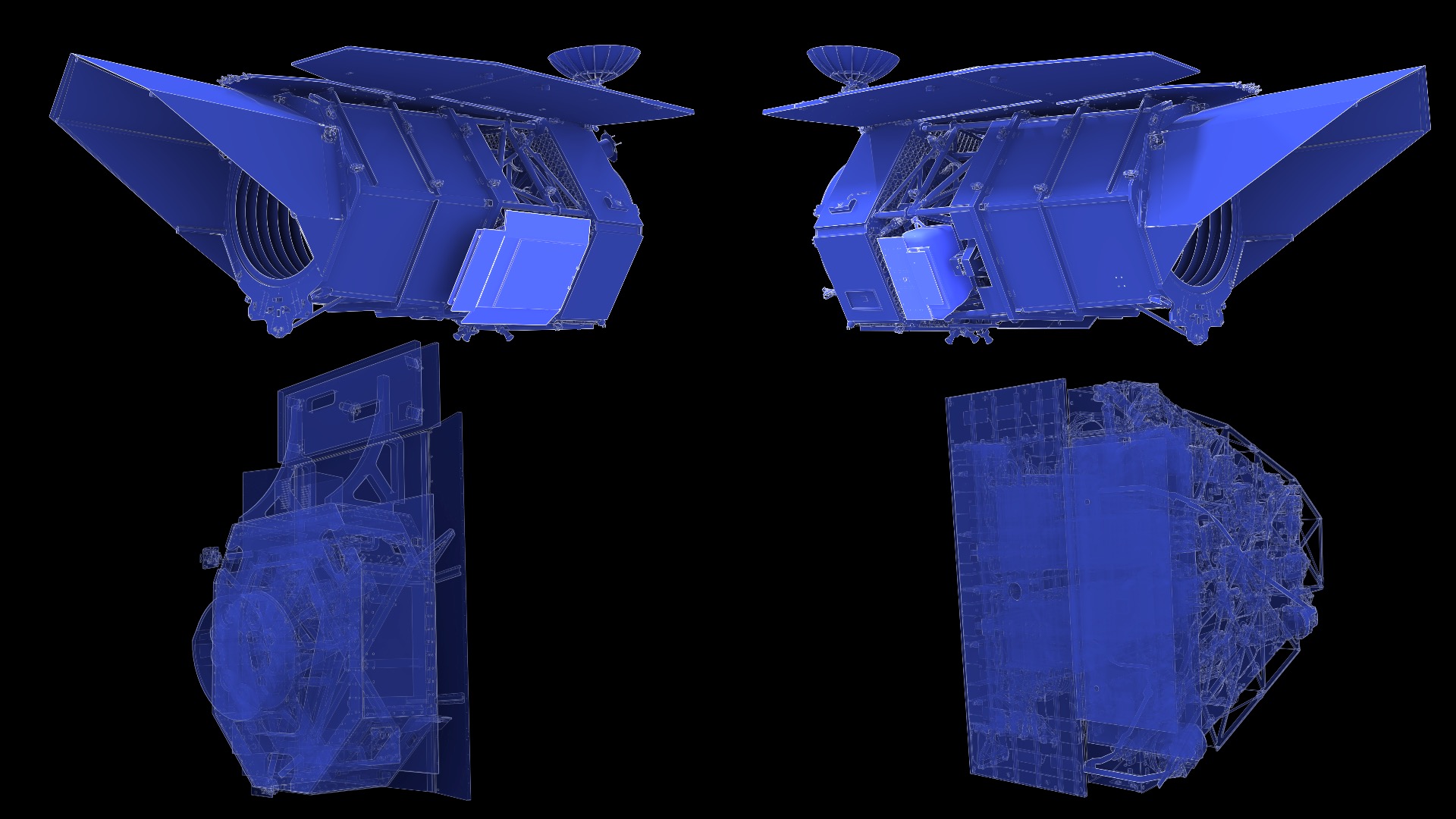
NASA Activates Roman’s Primary Instrument, Checks Out Coronagraph
NASA’s Nancy Grace Roman Space Telescope team has successfully activated the Wide Field Instrument, a 300-megapixel infrared camera that will allow scientists to explore wide swaths of the cosmos very quickly without sacrificing exquisite…
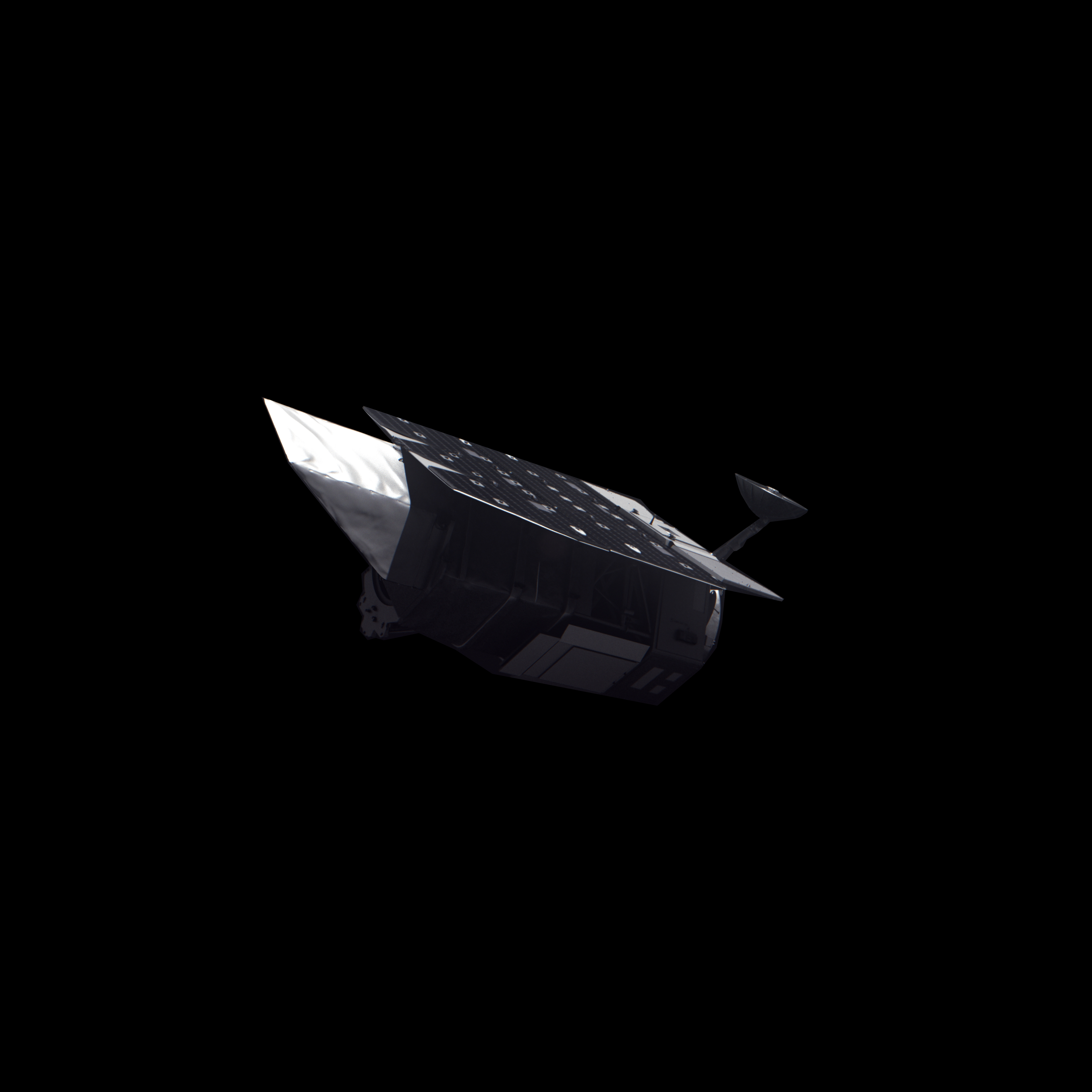
Fuel Savings Double Potential Lifetime for NASA’s Roman Mission
The results are in: NASA’s Nancy Grace Roman Space Telescope’s very accurate first mid-course correction, along with other fuel savings, are expected to more than double the mission’s potential operational lifetime. “As a result of…
NASA Roman’s Planet Imager Has Powered On
NASA’s Nancy Grace Roman Space Telescope team has successfully activated the mission’s Coronagraph Instrument, which will block starlight to view planets and dusty disks around nearby stars. Now the instrument will undergo a monthslong…
NASA Roman Space Telescope’s Antenna, ‘Visor’ Deployed
Roman’s antenna and visor-like sunshade have successfully deployed. Roman will downlink the highest data volume of any NASA astrophysics mission so far via its high-gain antenna, which measures 5.6 feet wide yet only weighs 24 pounds. It’s…
NASA’s Roman Completes First Mid-Course Correction Burn
At 12:02 p.m. EDT, Roman began an approximately 3-minute mid-course correction burn to adjust its trajectory toward its final orbit. It’s the first of two planned orbit adjustments to keep Roman on course for the second Lagrange point, L2…
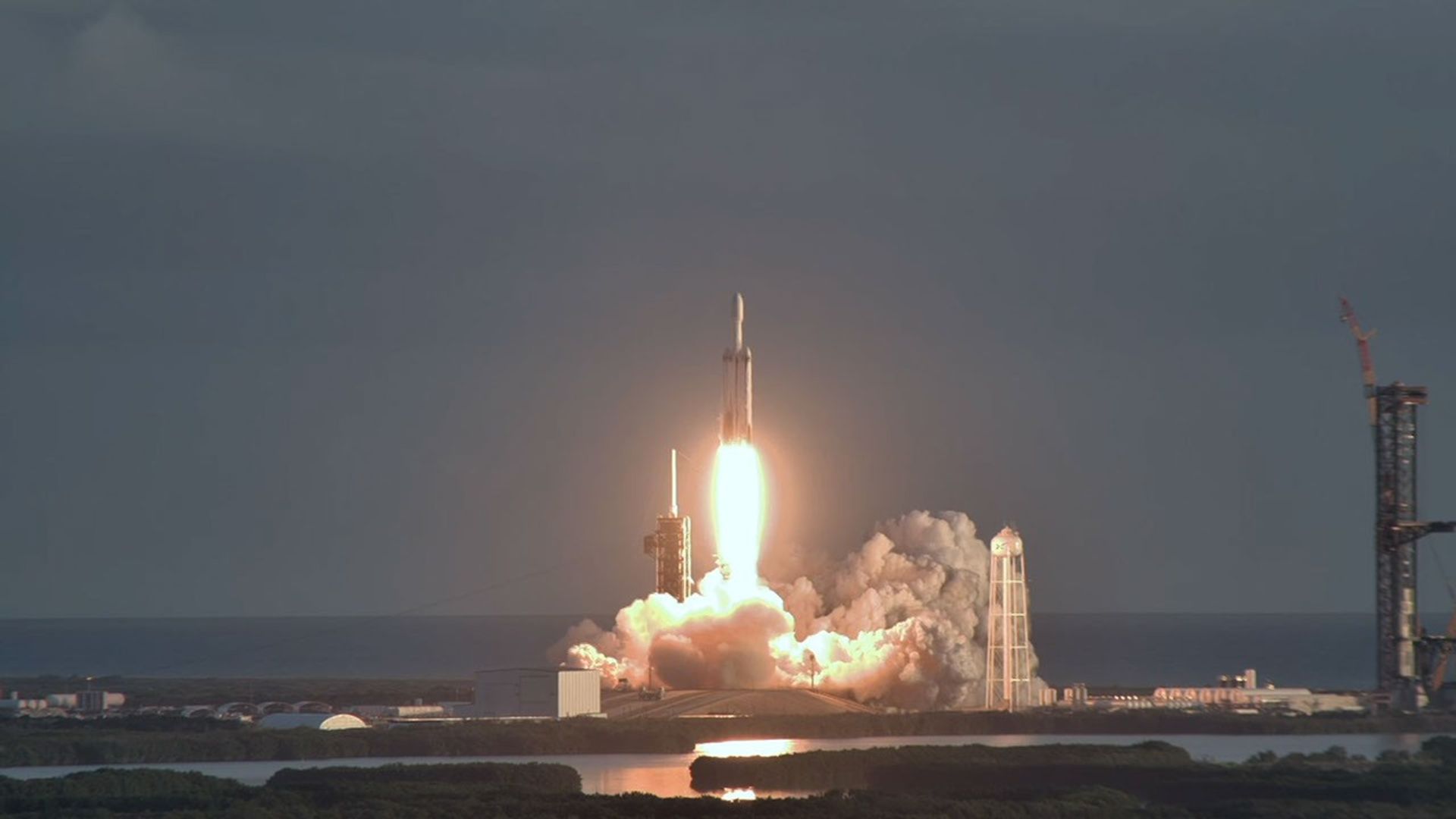
NASA Concludes Roman Space Telescope Launch Coverage
NASA is concluding live launch coverage after the agency’s Nancy Grace Roman Space Telescope successfully launched aboard a SpaceX Falcon Heavy rocket and separated from the second stage.
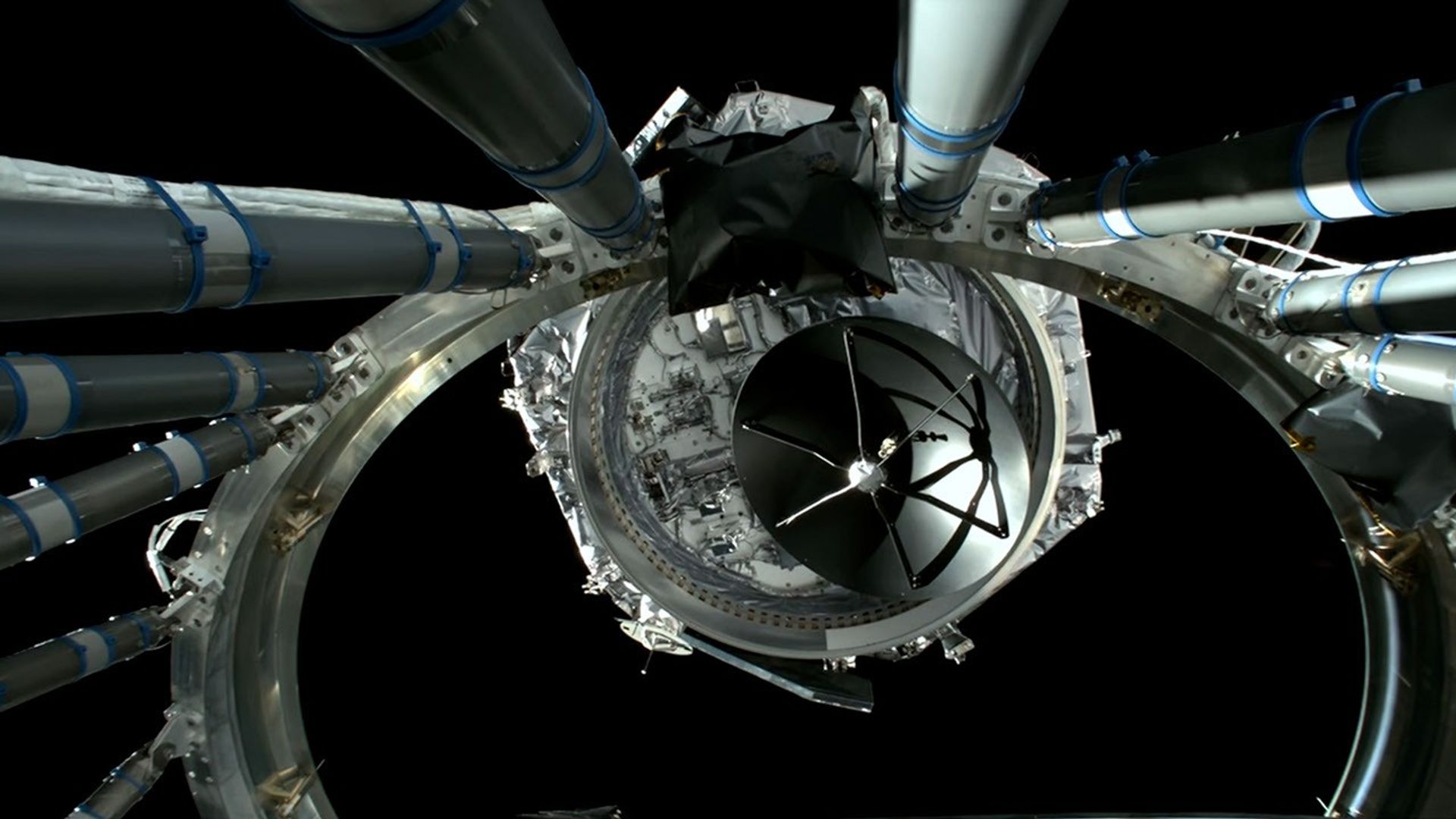
NASA’s Roman Space Telescope Flying on Its Own
NASA’s Nancy Grace Roman Space Telescope separated from the SpaceX Falcon Heavy’s second stage.
NASA’s Roman Space Telescope: Final Upper-Stage Burn Complete
The SpaceX Falcon Heavy second stage has completed its second and final planned burn for NASA’s Nancy Grace Roman Space Telescope. Second-stage engine cutoff 2, or SECO-2, occurred after the upper stage burned for about two minutes.
NASA Roman Space Telescope: SpaceX Second Stage Burn Begins
The Merlin Vacuum engine on the SpaceX Falcon Heavy’s second stage has restarted for its second burn, known as second-stage engine start 2, or SES-2. The burn is expected to last around two minutes.
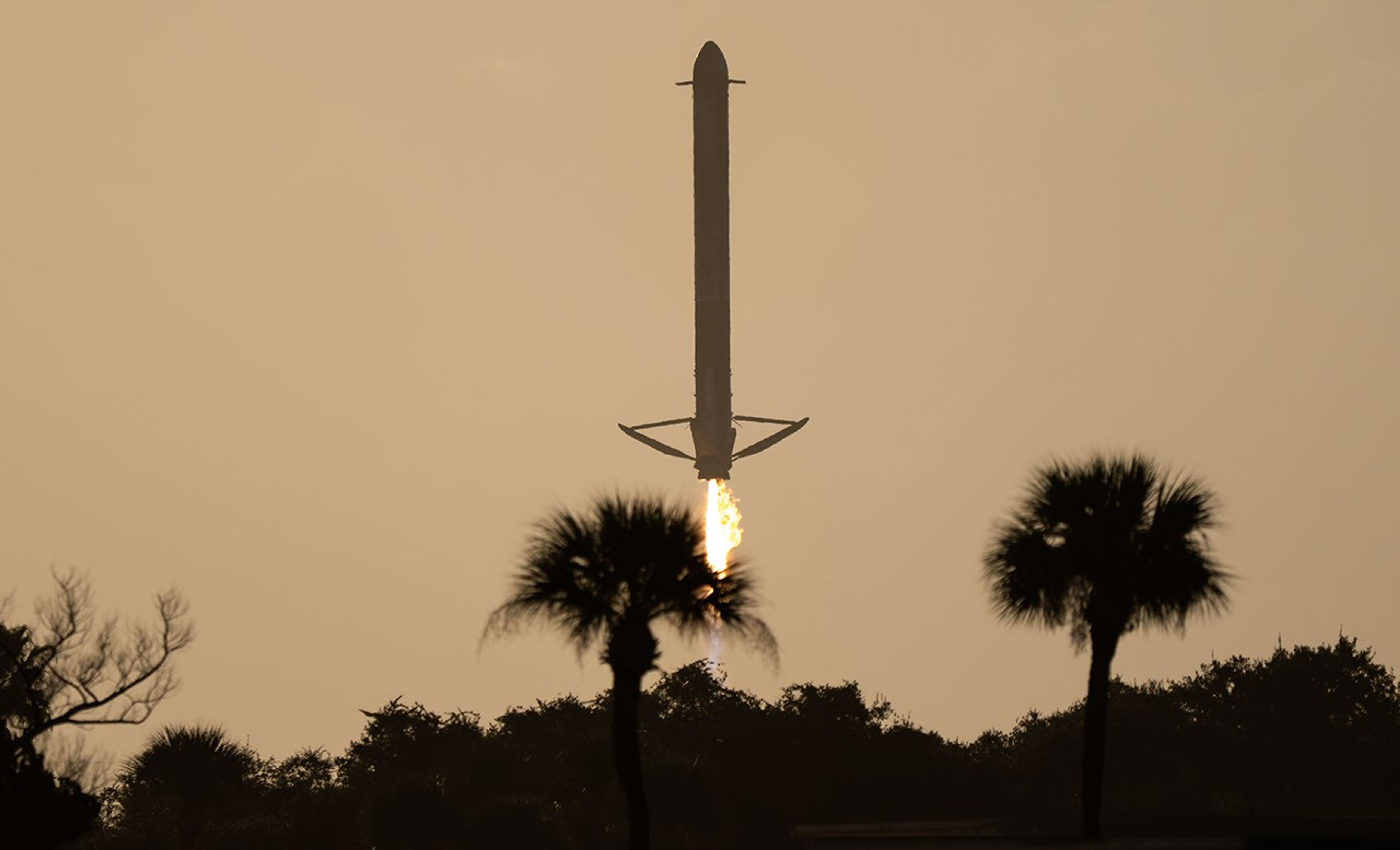
NASA’s Roman Space Telescope: Falcon Heavy Upper Stage Takes Over
The SpaceX Falcon Heavy carrying NASA’s Nancy Grace Roman Space Telescope has completed a rapid series of ascent milestones.
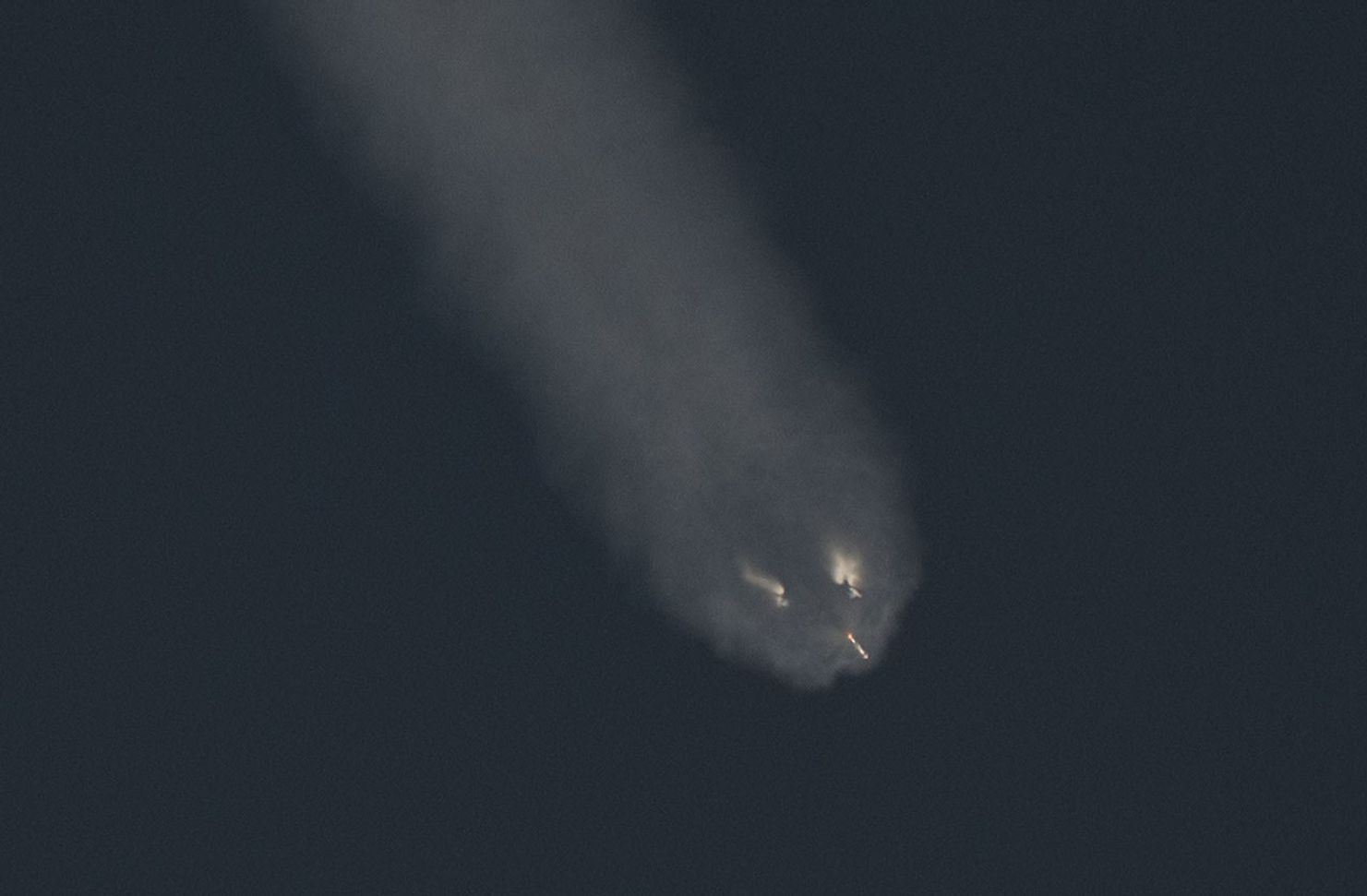
NASA’s Roman Space Telescope: Falcon Heavy Side Boosters Begin Return
The two side boosters on the SpaceX Falcon Heavy carrying NASA’s Nancy Grace Roman Space Telescope have separated from the center core.
NASA’s Roman Space Telescope: Falcon Heavy Passes Max Q
The SpaceX Falcon Heavy carrying NASA’s Nancy Grace Roman Space Telescope passed Max Q, the point of maximum aerodynamic pressure during ascent. Max Q occurs when the combination of the rocket’s speed and surrounding air pressure places…
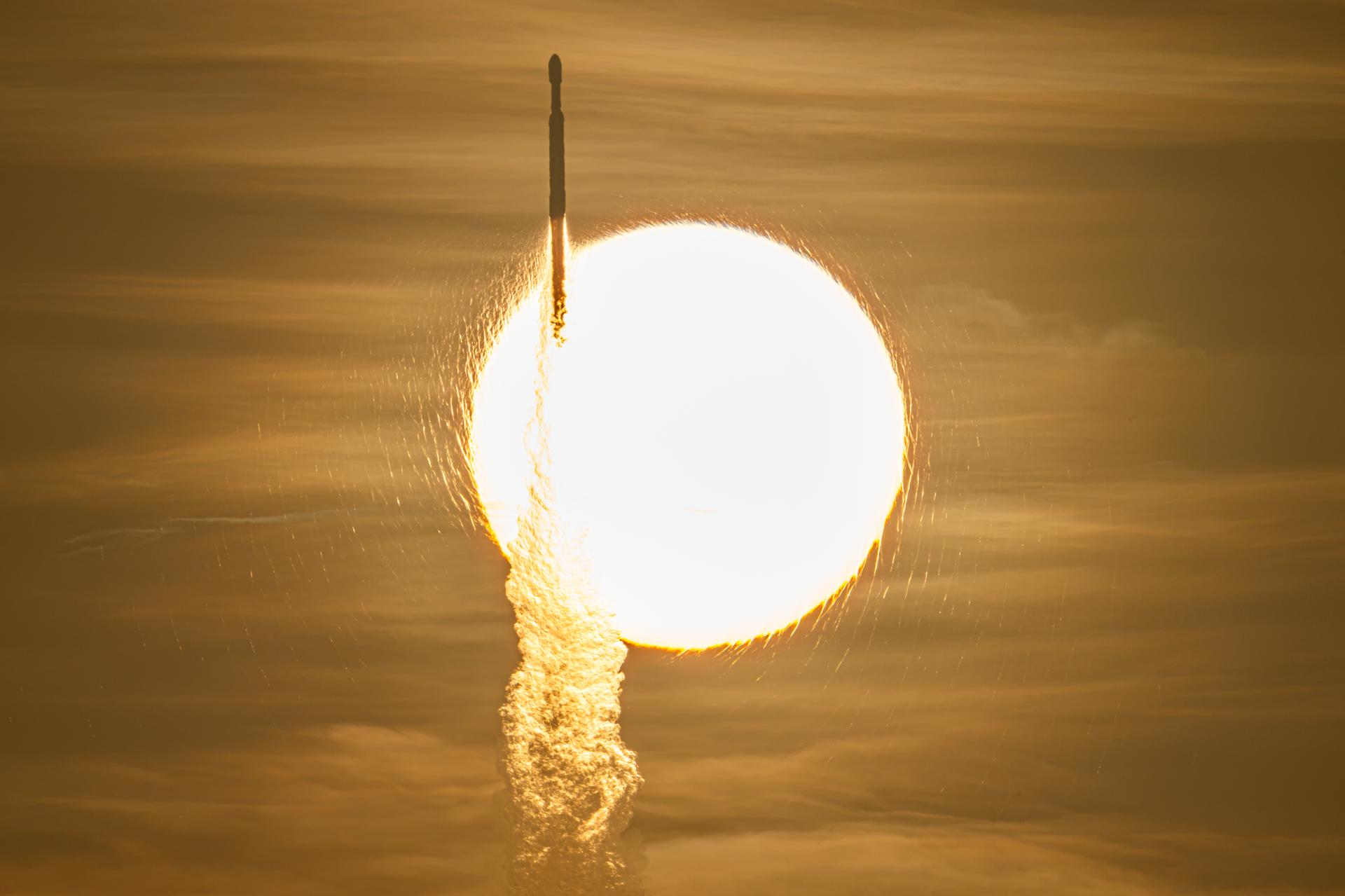
NASA’s Roman Space Telescope Launches
NASA’s Nancy Grace Roman Space Telescope lifted off at 7:26 a.m. EDT aboard a SpaceX Falcon Heavy from Launch Complex 39A at NASA’s Kennedy Space Center in Florida.
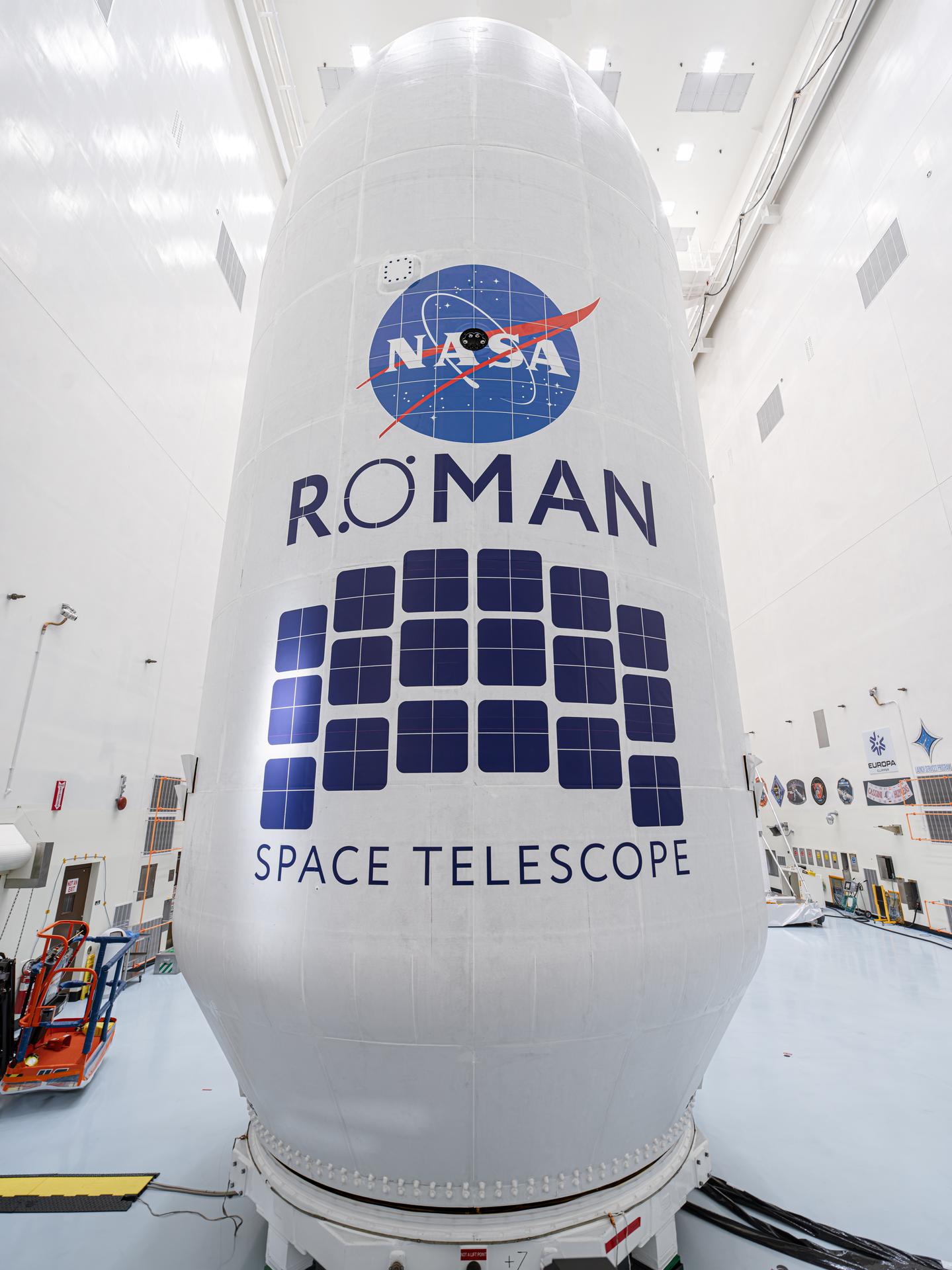
NASA’s Roman Space Telescope: ‘Go’ for Launch
NASA Launch Manager Dr. Denton Gibson has given NASA’s Nancy Grace Roman Space Telescope mission a “go” to proceed toward launch.
NASA galleries

Nancy Grace Roman Space Telescope 35mm Launch Images
Launched on August 30, 2026 from Kennedy Space Center, Florida. Shot on Kodak Ektar 100, 35mm film with a Canon AE-1. Photographs by Lucas Talbert.
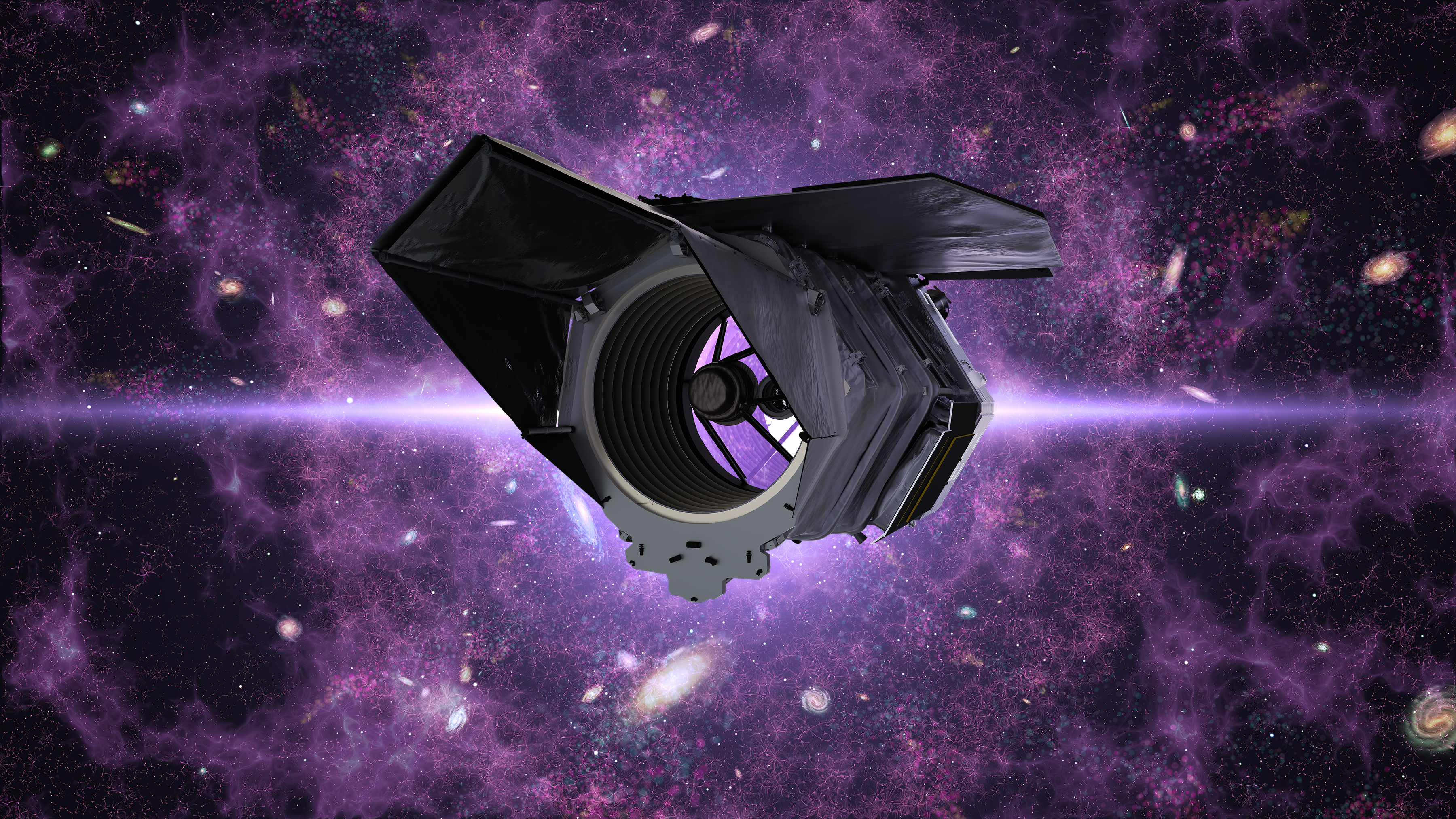
Nancy Grace Roman Space Telescope Illustrations
The Nancy Grace Roman Space Telescope is a NASA observatory designed to settle essential questions in the areas of dark energy, exoplanets, and infrared astrophysics. Roman’s barrel-like shape will…