NASA’s Nancy Grace Roman Space Telescope
Nancy Grace Roman Space Telescope images: Every Roman image, the moment it’s released.
Roman launched on August 30, 2026 and is cruising a million miles to L2. Its 300-megapixel camera will see 100 times more sky than Hubble in every shot. This portal fills itself the minute NASA posts a picture.
- Mission day
- —
- Distance from Earth
- Cruising to L2
- Phase
- Commissioning
- First images
- Expected early 2027
Latest from Roman
All 566 images →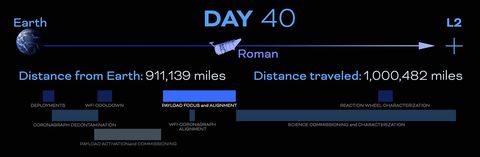
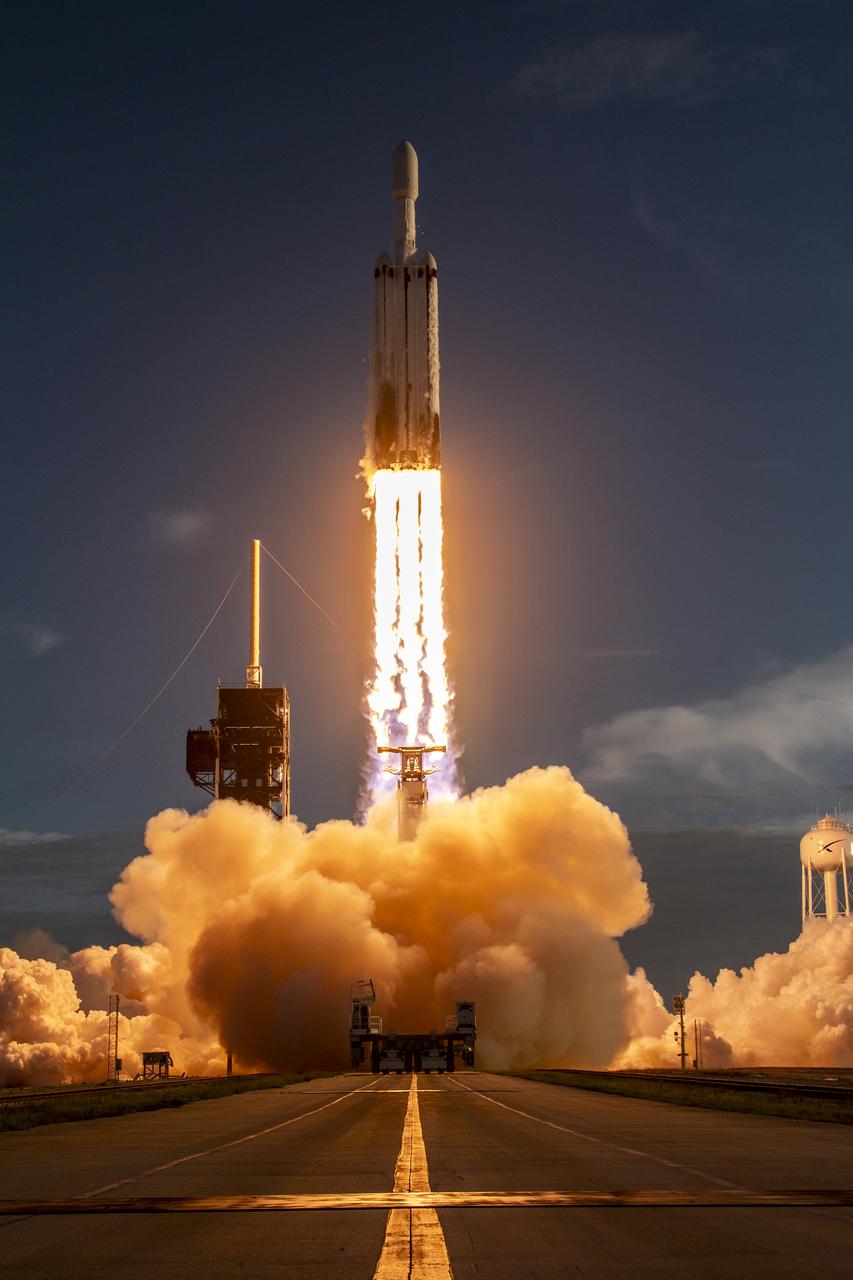
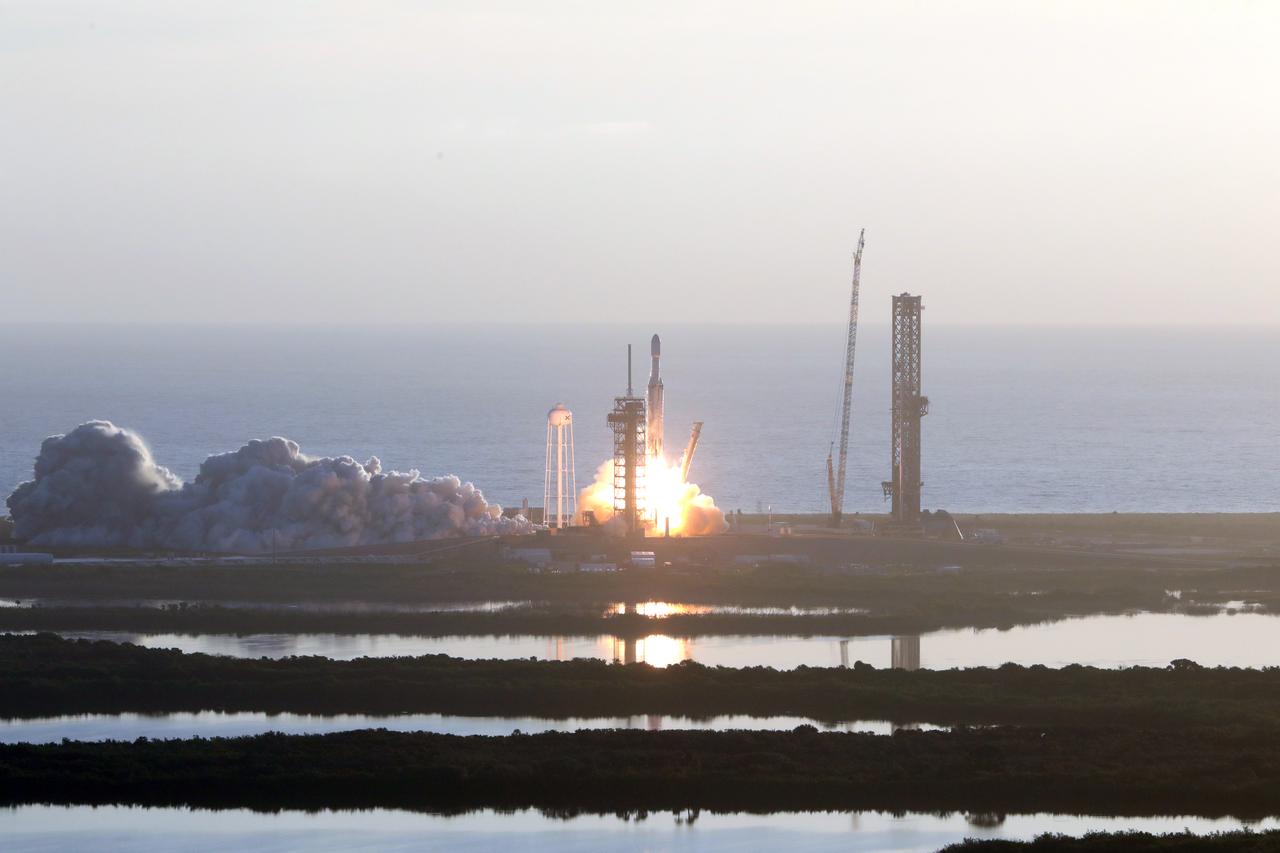
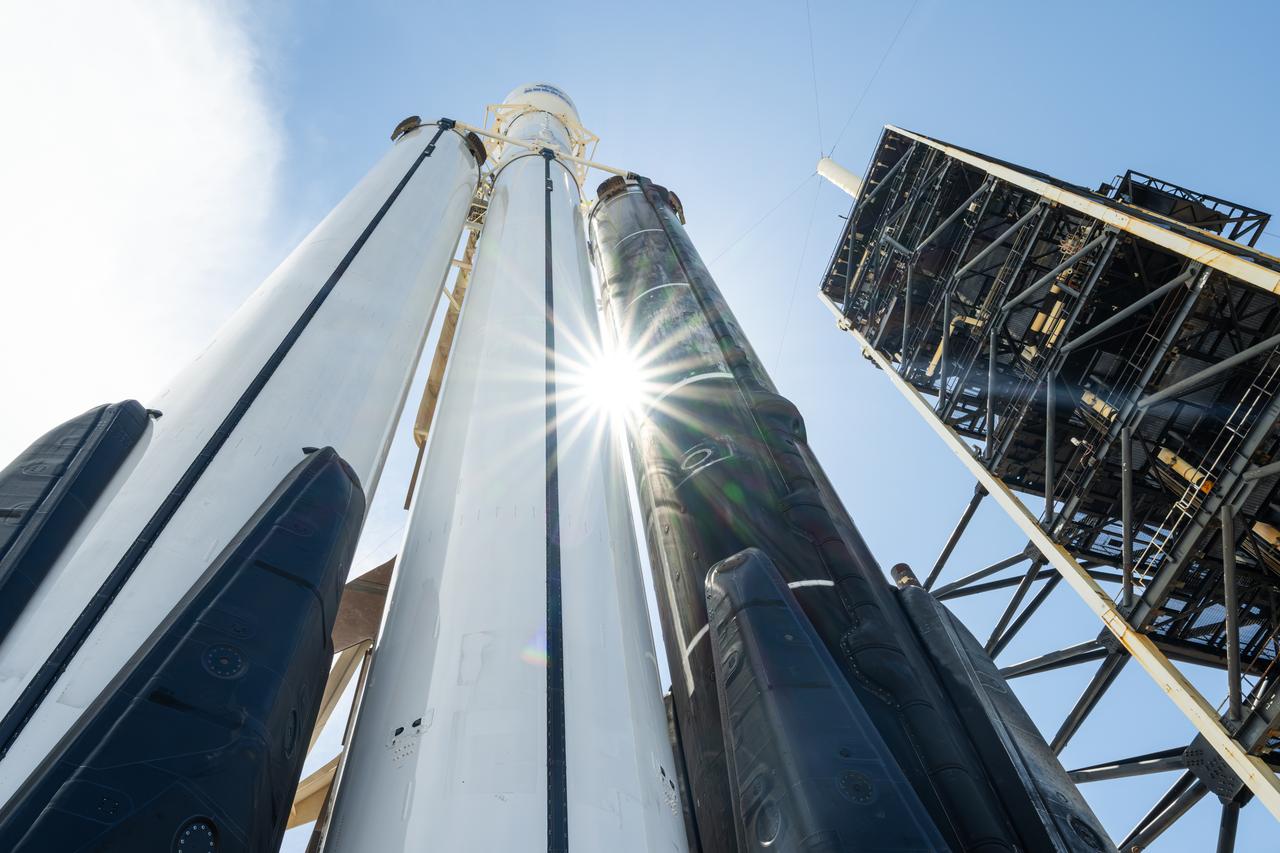
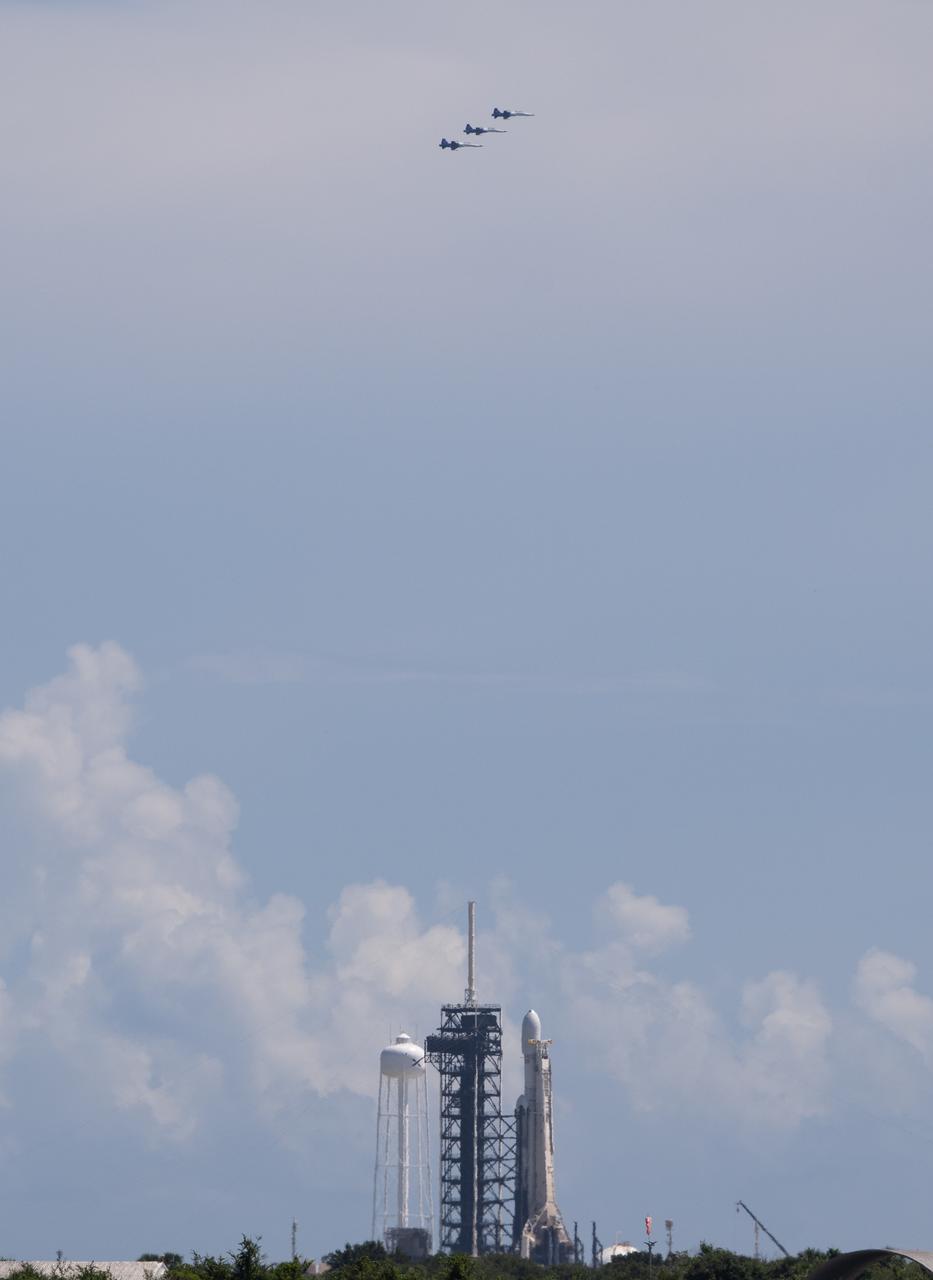
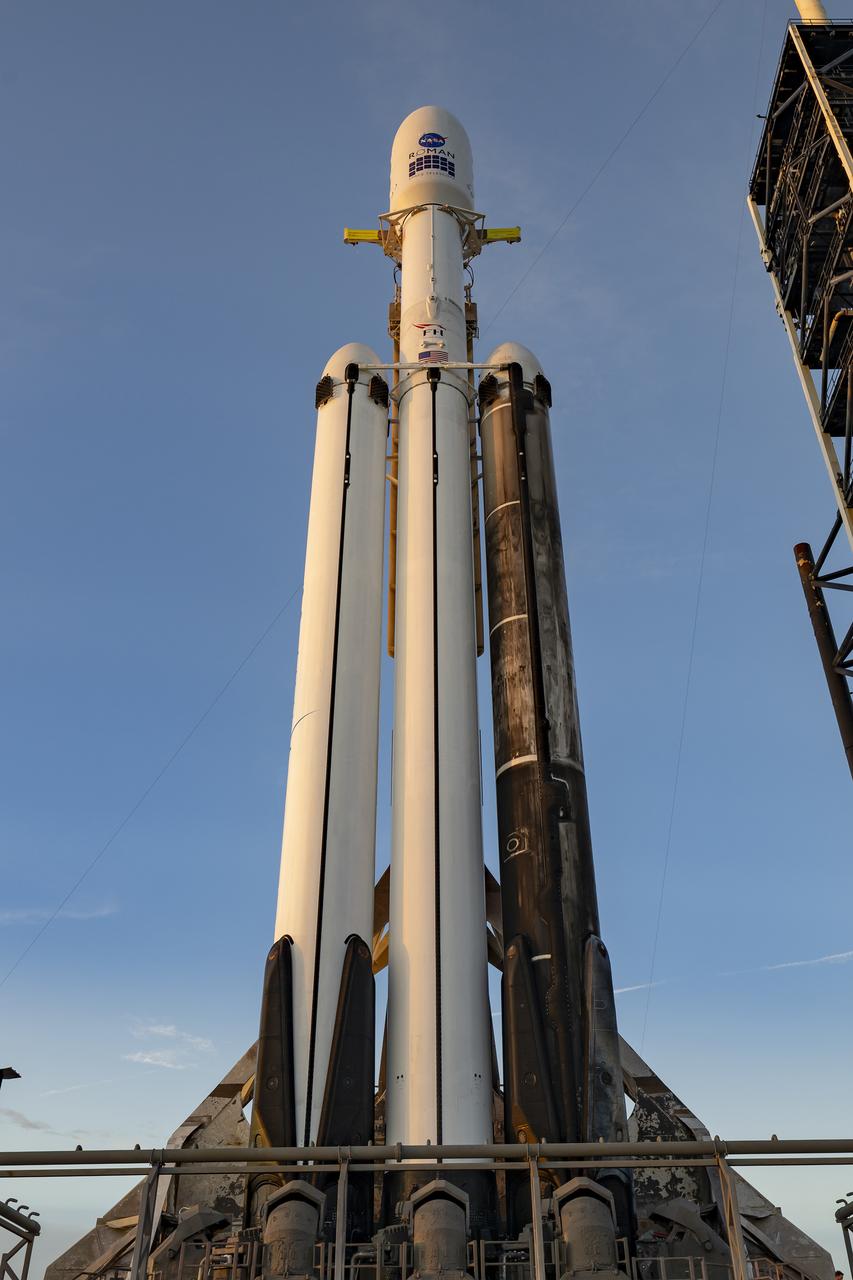
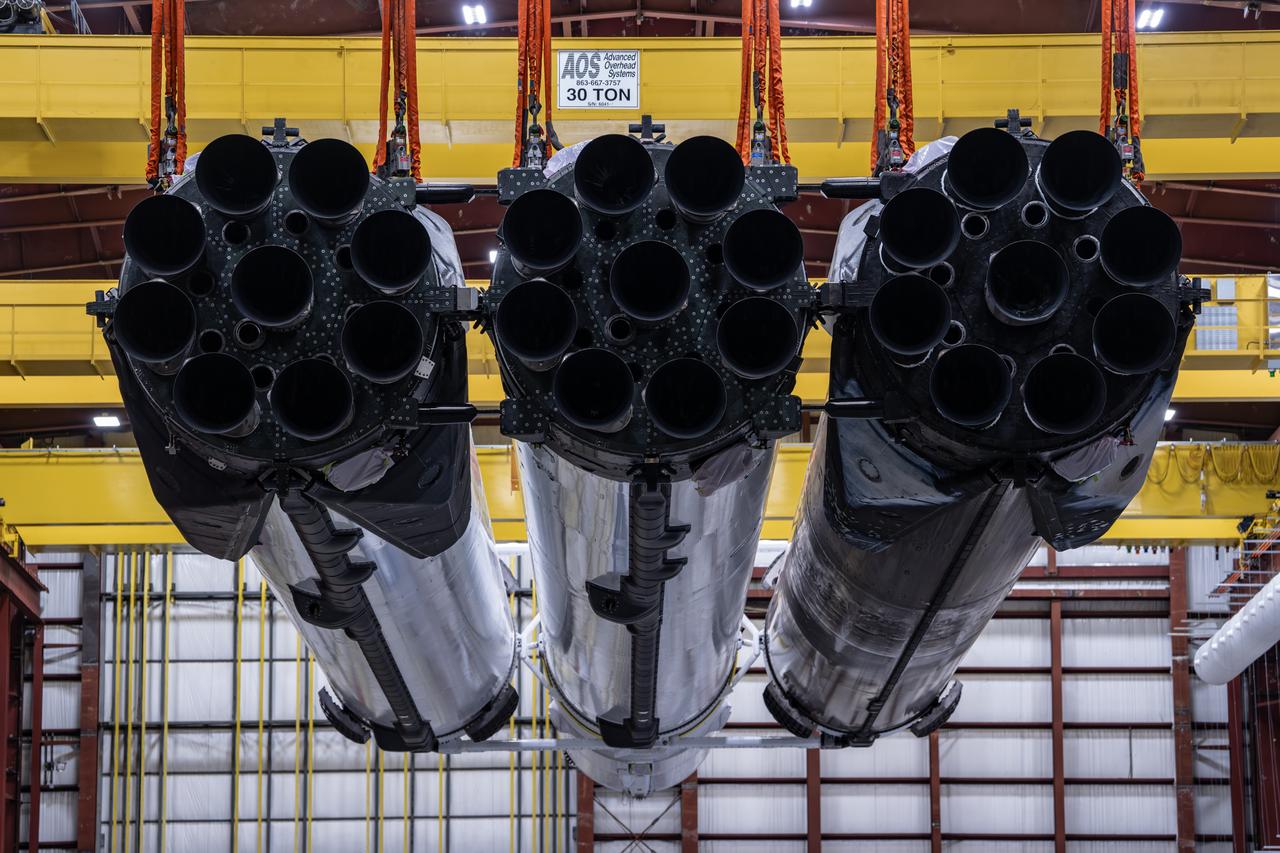
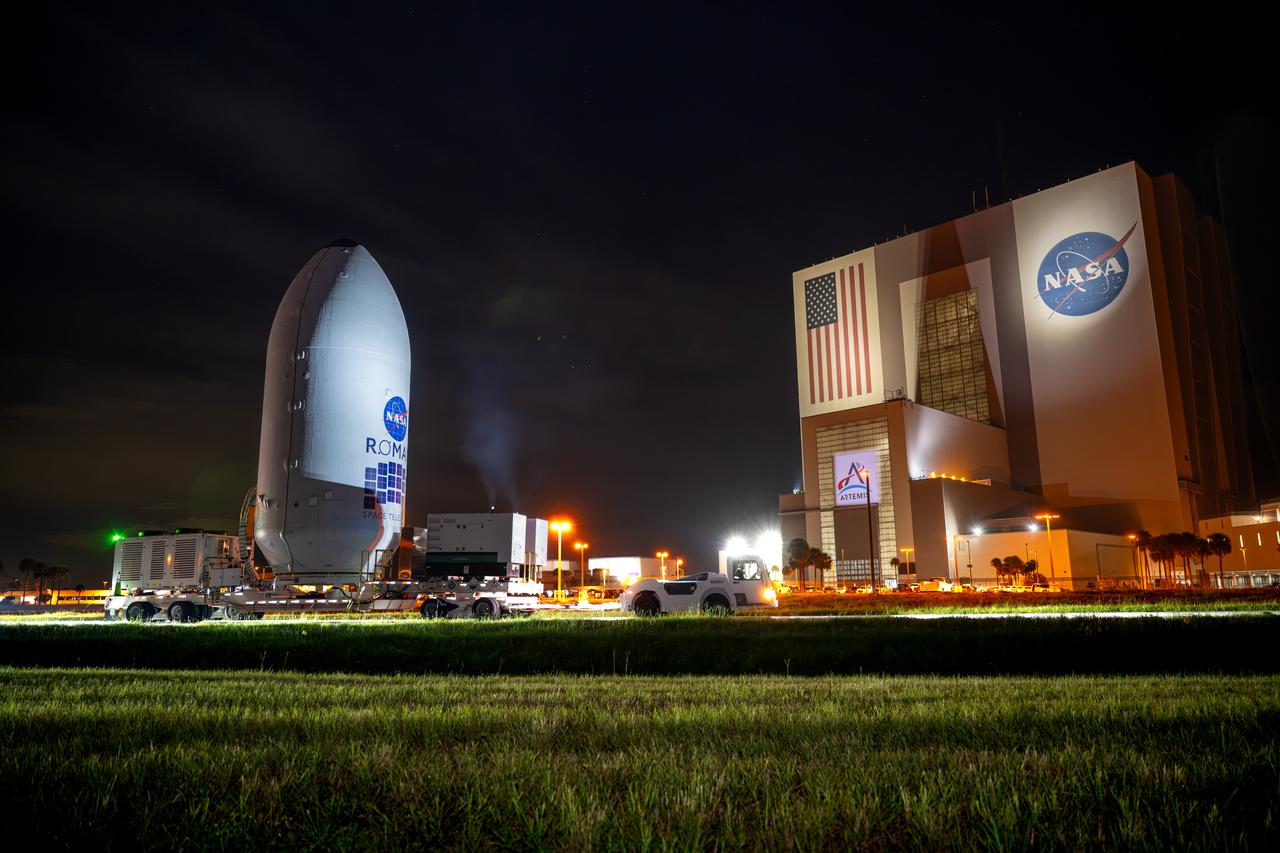
Hubble-sharp. A hundred times wider.
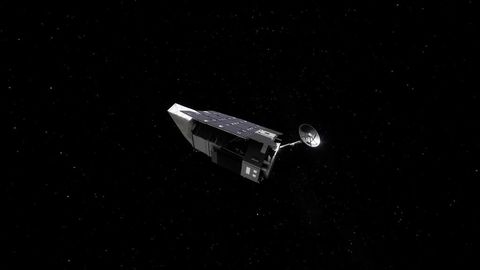
Roman carries a 2.4-meter mirror — the same size as Hubble’s — feeding an 18-detector, 300-megapixel infrared camera. Each exposure covers about 1.5 times the area of the full Moon, which lets Roman survey the sky roughly 1,000 times faster than Hubble.
Ways to explore
3D Sky Atlas
Every Roman image pinned to its true place in the sky, plus the band of sky Roman can see today.
02Mission Control
Roman’s live distance and speed from JPL Horizons, its path to L2 and a 3D model of the observatory.
03Cinematic Tours
Full-screen, narrated journeys through each release. Made for big screens — try kiosk mode.
04Deep-Zoom Gallery
Pan into full-resolution frames tile by tile, built for Roman’s 300-megapixel images.
What Roman will map
All surveys →High-Latitude Wide-Area Survey
A 3D map of billions of galaxies to measure dark energy
HLTDSHigh-Latitude Time-Domain Survey
Thousands of distant exploding stars to trace cosmic expansion
GBTDSGalactic Bulge Time-Domain Survey
A census of planets through gravitational microlensing
GPSGalactic Plane Survey
The first General Astrophysics Survey: a sharp infrared view through the Milky Way’s dust
CGICoronagraph Instrument
A technology demonstration for photographing planets around other stars
Mission timeline
From launch to first light. Estimated dates are marked as such and update as NASA confirms them.
WFIRST renamed for Nancy Grace Roman
NASA names its next flagship survey telescope after its first Chief of Astronomy.
Observatory complete
Roman is fully assembled at NASA Goddard and begins final environmental testing.
Encapsulated
Roman is sealed inside the Falcon Heavy payload fairing at Kennedy Space Center.
Launch
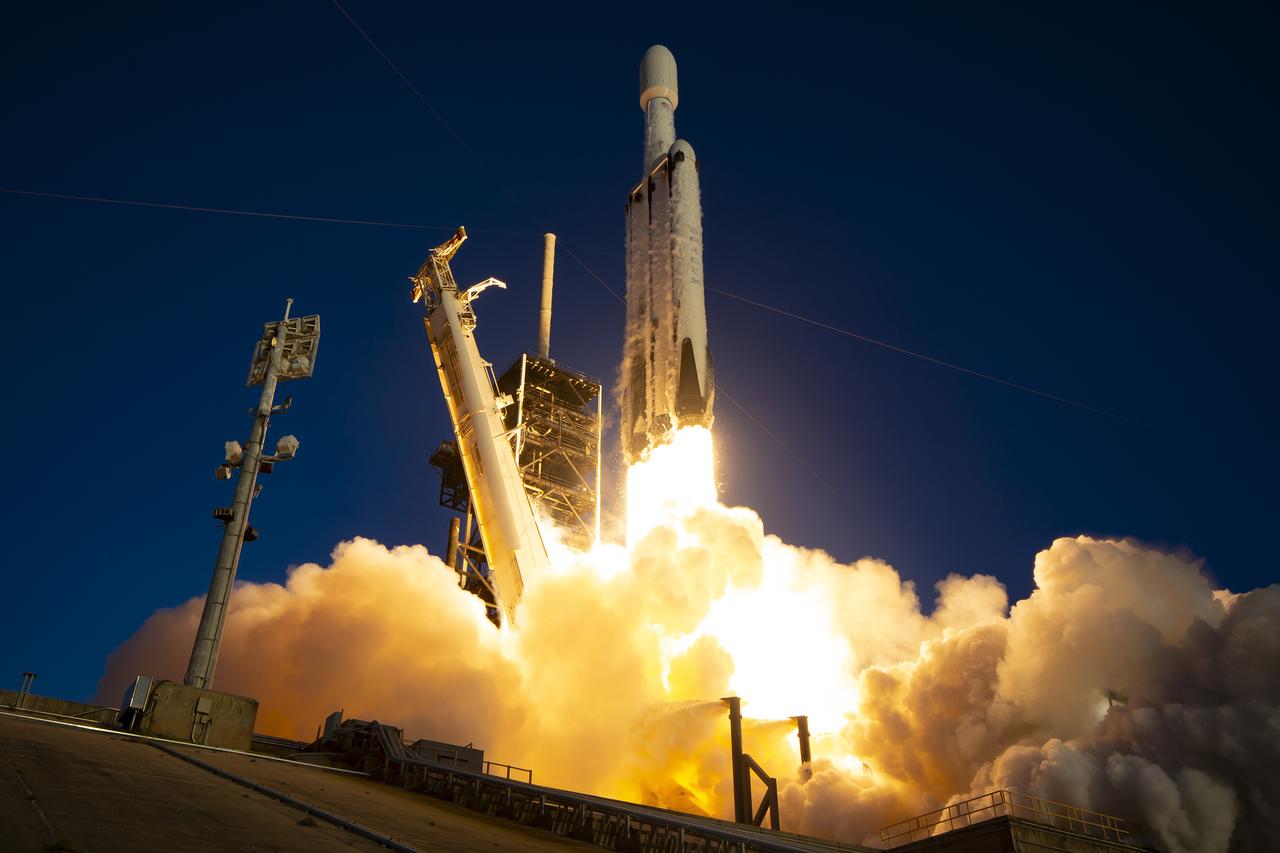
Liftoff at 7:26 a.m. EDT on a SpaceX Falcon Heavy. Solar panels and sunshade deploy about 83 minutes later.
Antenna and aperture cover deployed
NASA confirms the high-gain antenna and visor-like aperture cover are deployed; commissioning is under way.
Arrival at L2
After a roughly three-month cruise Roman settles into a halo orbit around Sun–Earth L2.
(next milestone)First images
NASA expects to share Roman’s first images in early 2027, after commissioning and calibration.
Science operations begin
Core community surveys start, with every observation made public as soon as it is processed.
Browse Roman images
News from NASA
All news →
Help Refine Data from Space Telescopes with Artifact InSPECtor
How do scientists studying space with data from a telescope hundreds of thousands of miles away know that what they are seeing is real? A new NASA project, Artifact InSPECtor, invites you to find out – and by doing so, to help missions…
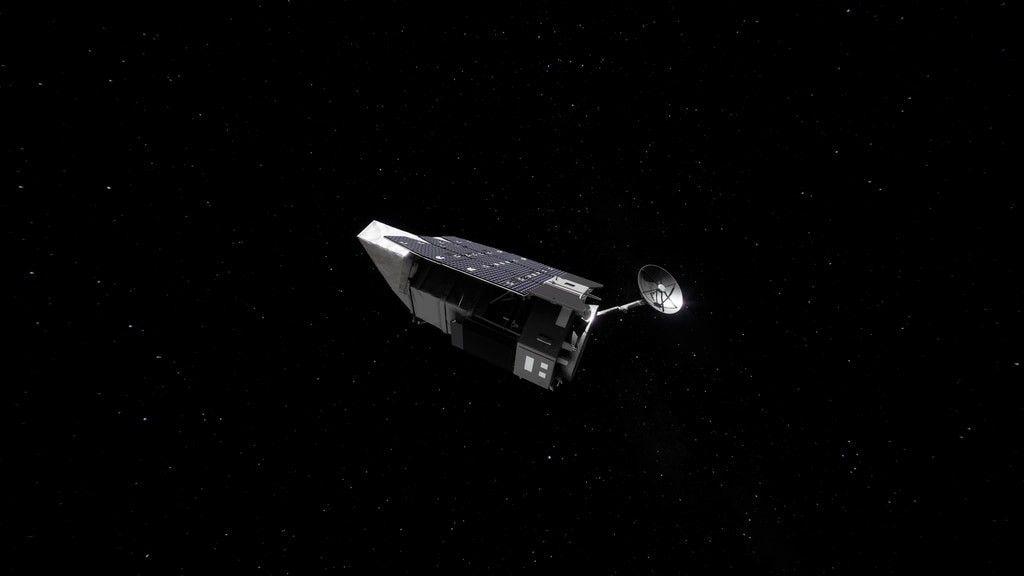
Roman Commissioning
Where is Roman? Roman is making its three-month journey from Earth to Sun-Earth Lagrange Point 2, or L2. Along the way, Roman is undergoing a process called commissioning, where systems are turned on, adjusted, calibrated, and prepared for…
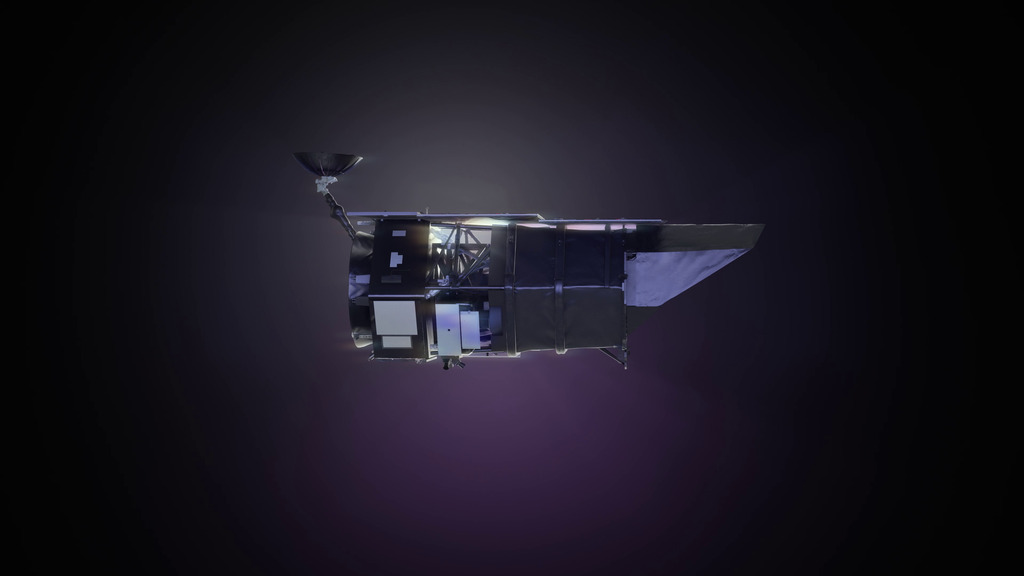
9 Things to Know About NASA’s Nancy Grace Roman Space Telescope
NASA’s Nancy Grace Roman Space Telescope is set to launch at 7:26 a.m. EDT on Sunday, Aug. 30. While you wait to watch the launch, brush up on some key facts about this wide-view mission. To learn more about the Roman mission, visit…
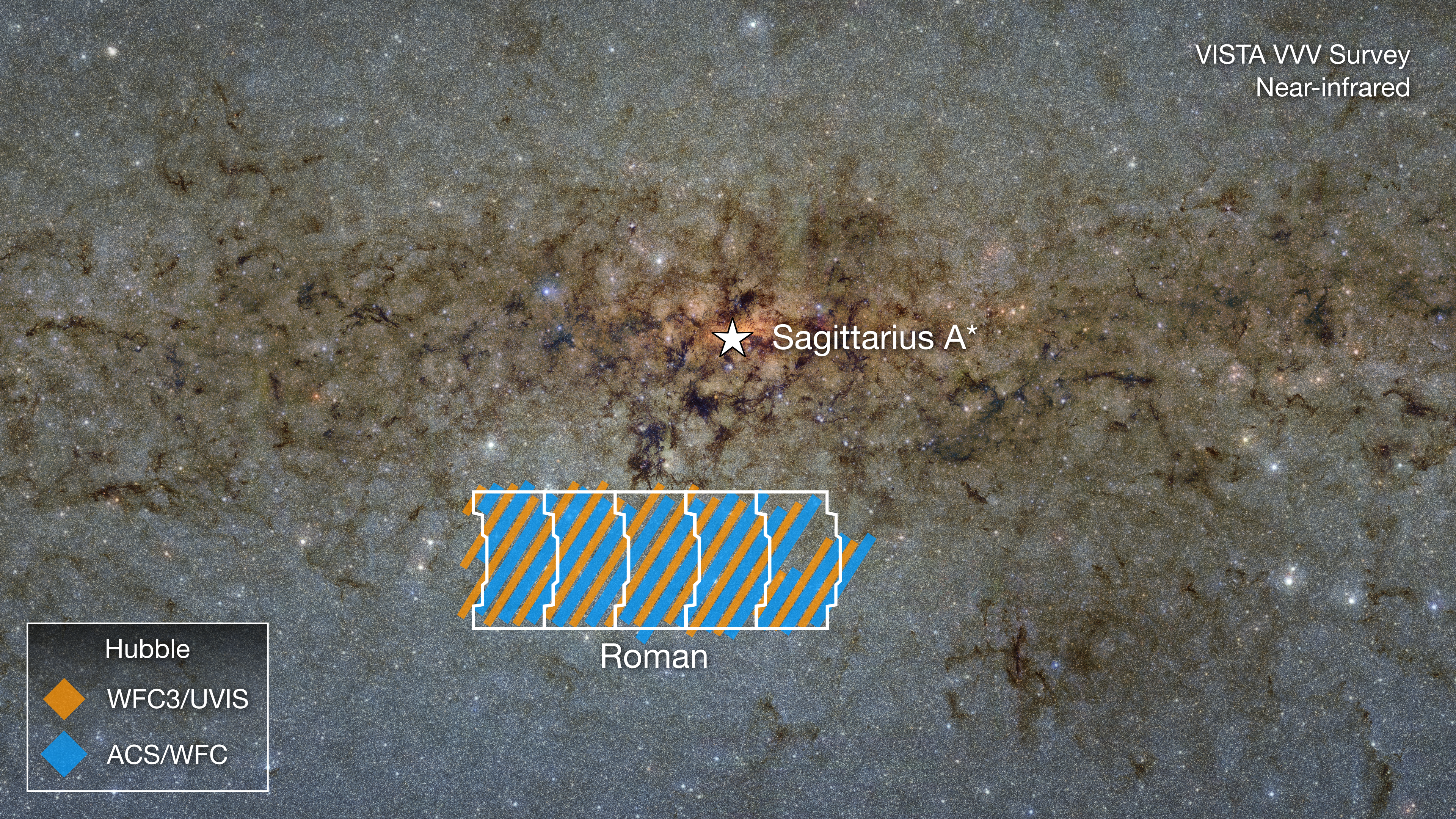
Hubble Survey Sets Up Roman’s Future Look Near Milky Way’s Center
The Milky Way’s galactic bulge, the bulbous region that surrounds the galactic center, contains a dense collection of stars, planets, and other free-floating objects. This region has been studied for decades with numerous ground-based and…
Questions people ask
Full FAQ →When will the Roman Space Telescope release its first images?
NASA expects to share Roman’s first images in early 2027, after about three months of commissioning that overlaps with the cruise to L2. The first public set will come from a short ‘First Look’ program of roughly three to five observations chosen for public appeal and to show off the telescope’s capabilities. Roman Atlas checks NASA every 15 minutes and will show them as soon as they are posted.
When did the Nancy Grace Roman Space Telescope launch?
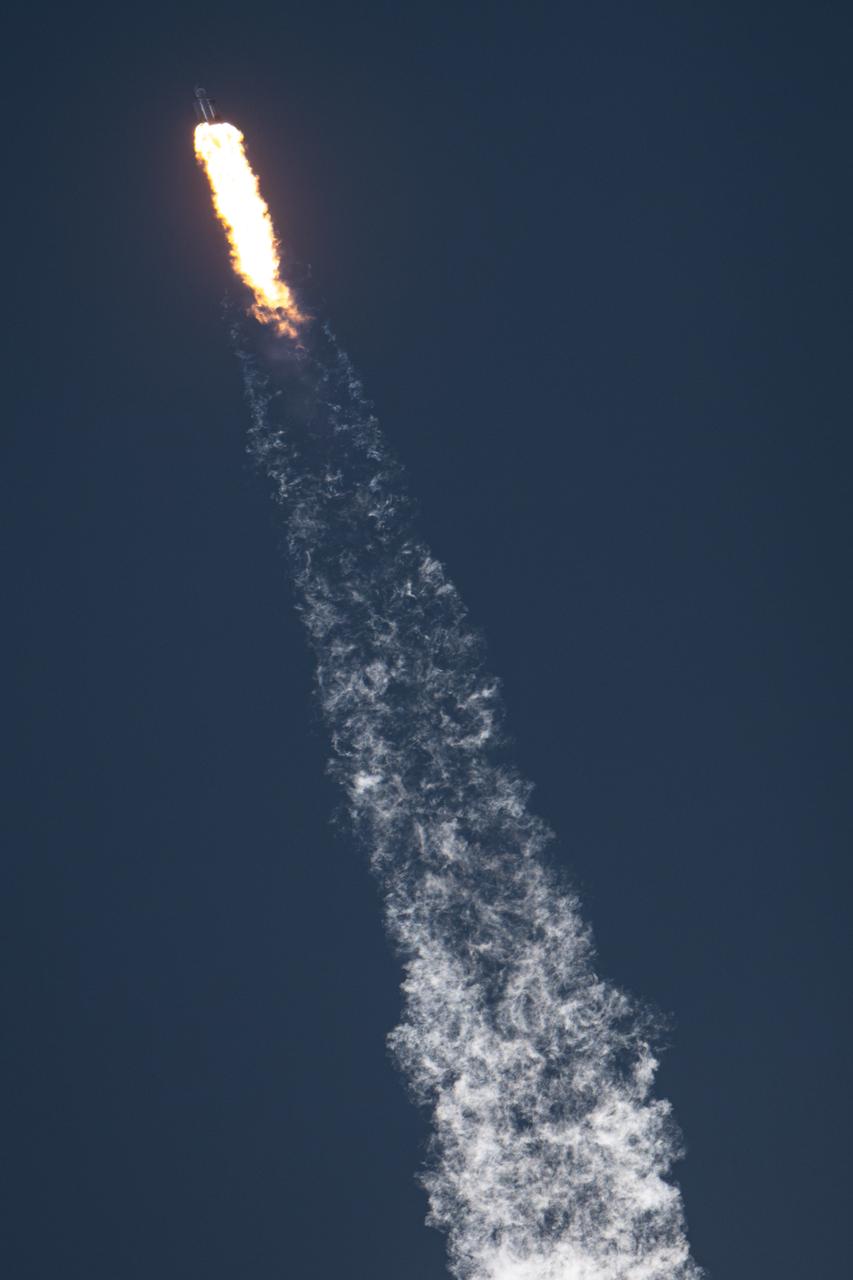
Roman launched on August 30, 2026, at 7:26 a.m. EDT aboard a SpaceX Falcon Heavy rocket from Launch Complex 39A at NASA’s Kennedy Space Center in Florida.
Where is the Roman Space Telescope now?
Roman is travelling to, or orbiting, the second Sun–Earth Lagrange point (L2), about 1 million miles (1.5 million km) from Earth on the side opposite the Sun. Our Mission Control page shows its live distance and speed from NASA/JPL Horizons.
How is Roman different from Hubble?
Roman has a 2.4-meter mirror, the same size as Hubble’s, and similar sharpness, but its 300-megapixel Wide Field Instrument sees an area of sky at least 100 times larger in a single shot. That lets Roman survey the sky roughly 1,000 times faster than Hubble.