The Nancy Grace Roman Space Telescope, Explained
A Hubble-sized mirror, a 300-megapixel infrared camera and a view a hundred times wider: how NASA’s newest flagship observatory works and how it compares with Hubble and Webb.
Telescope
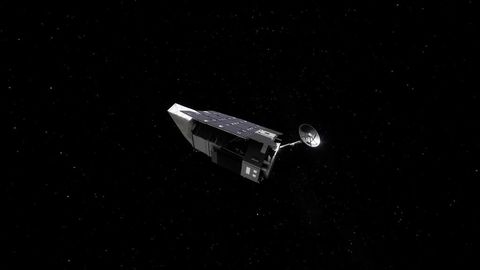
Roman’s 2.4-meter primary mirror is the same diameter as Hubble’s. The telescope hardware was donated to NASA in 2012 by another federal agency and adapted for Roman’s wide-field survey work, which helped reduce the mission’s cost.
Wide Field Instrument
The heart of Roman is the Wide Field Instrument (WFI), an infrared camera with 18 HgCdTe detectors of 4096 × 4096 pixels — about 300 million pixels in all — at 0.11 arcseconds per pixel. It covers 0.28 square degrees in one exposure, roughly 45 by 23 arcminutes, and is sensitive from 0.5 to 2.3 microns.
A rotating element wheel holds eight imaging filters — F062, F087, F106, F129, F146 (wide), F158, F184 and F213 — plus a grism and a prism for slitless spectroscopy of every object in the field at once.
Coronagraph Instrument
A technology demonstration built by NASA’s Jet Propulsion Laboratory, the coronagraph uses deformable mirrors and masks to suppress starlight and directly image giant planets and dusty disks around nearby stars in visible light.
Where it works
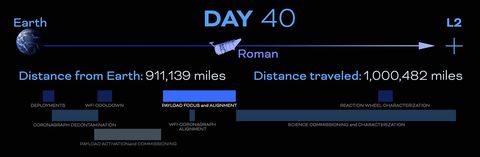
Roman orbits the Sun–Earth L2 point about 1.5 million kilometers from Earth. It must point between 54° and 126° from the Sun, which gives it about 59 percent of the sky at any moment; stars more than 54° from the ecliptic are visible all year.
Roman, Hubble and Webb
Hubble takes sharp, detailed views of small patches of sky in ultraviolet, visible and near-infrared light. Webb’s 6.5-meter mirror reaches deeper into the infrared for extraordinary close-ups. Roman matches Hubble’s sharpness over a field about 200 times larger than Hubble’s infrared camera, so it maps vast areas quickly — finding rare objects for Hubble and Webb to study in detail.
- Launch
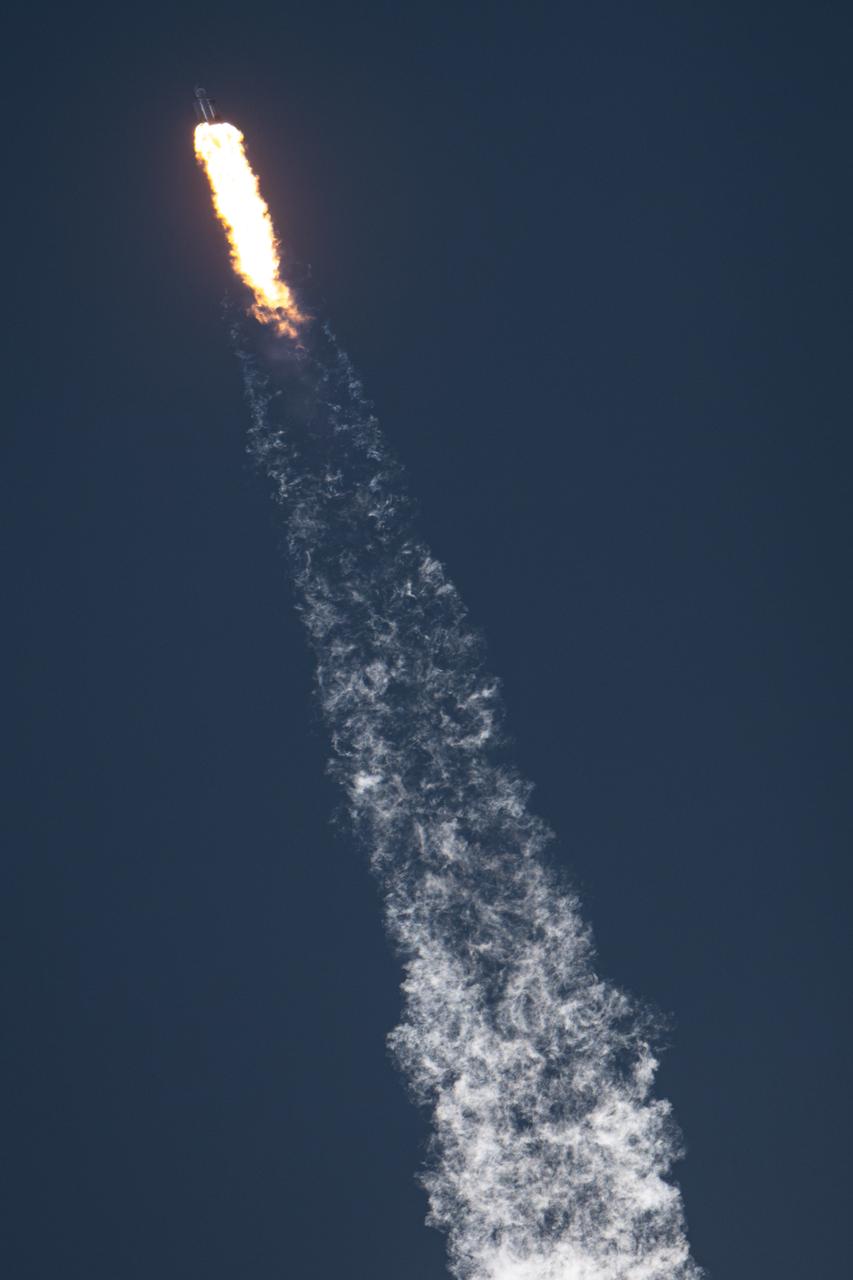
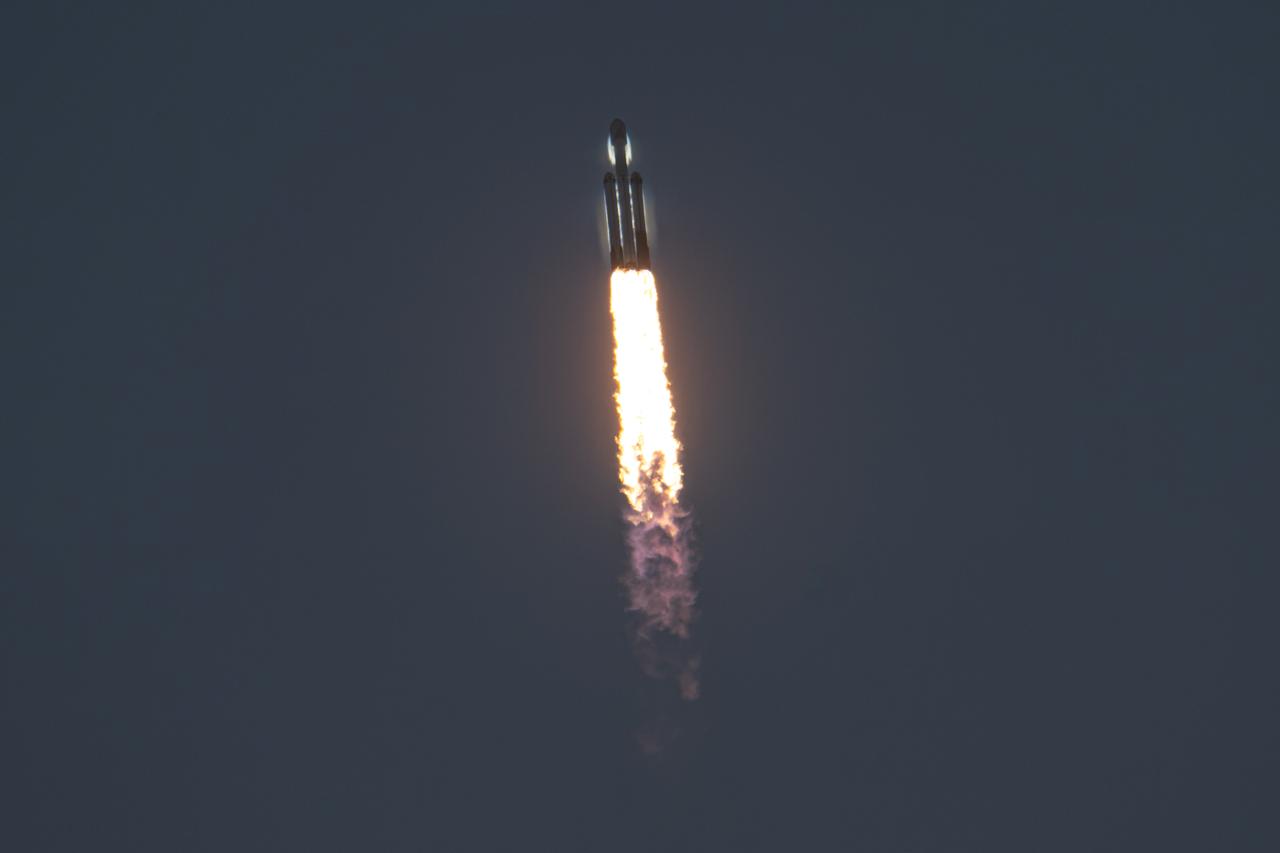
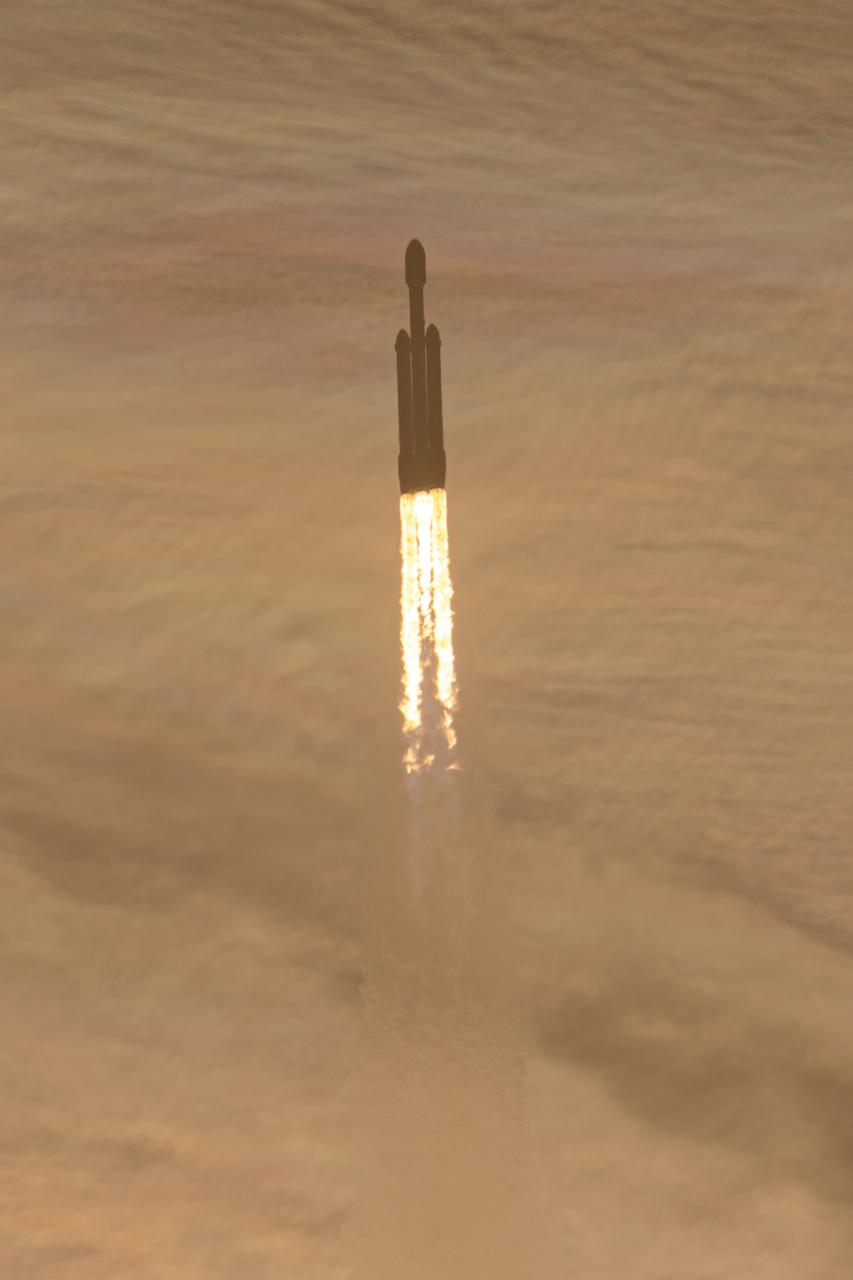
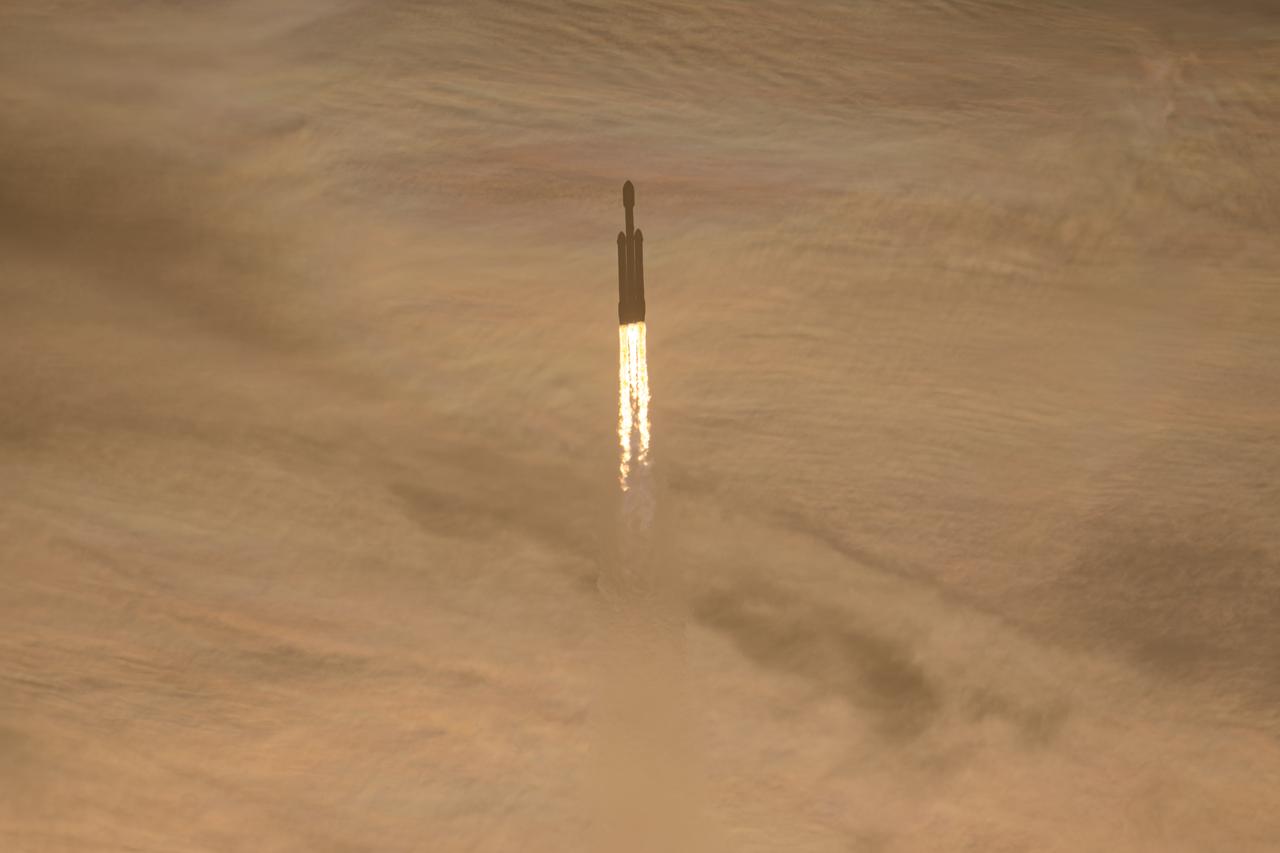
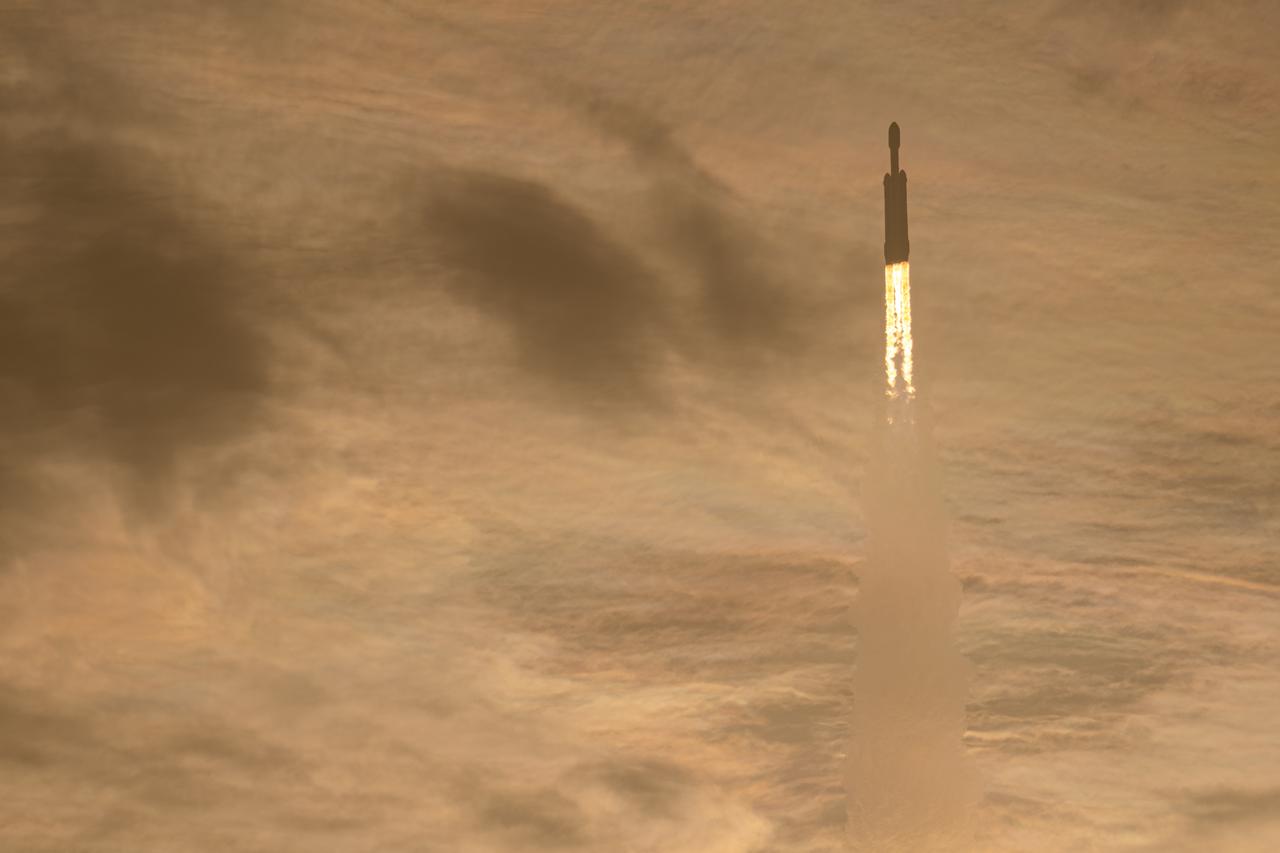
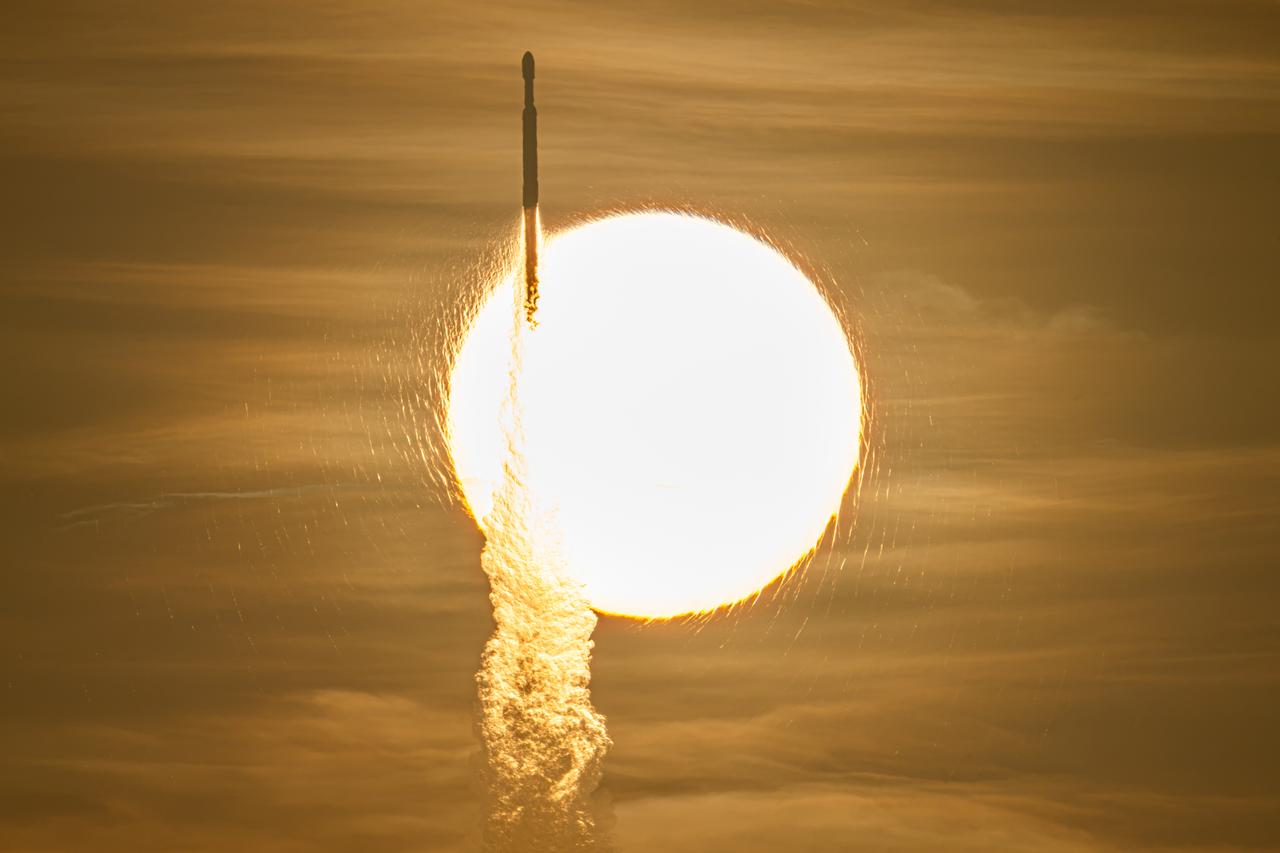
- Aug 30, 2026, 7:26 a.m. EDT SpaceX Falcon Heavy, Launch Complex 39A, Kennedy Space Center
- Destination
- Sun–Earth L2 About 1 million miles (1.5 million km) from Earth, alongside Webb
- Primary mirror
- 2.4 m The same size as Hubble’s
- Camera
- 300 megapixels Wide Field Instrument: 18 detectors of 4096 × 4096 pixels
- Field of view
- 0.28 deg² About 1.5× the area of the full Moon; at least 100× Hubble’s
- Sharpness
- 0.11″ / pixel Hubble-class resolution across the whole field
- Wavelengths
- 0.5–2.3 µm Red visible light into the near-infrared
- Filters
- 8 + grism + prism F062, F087, F106, F129, F146, F158, F184, F213
- Mission
- 5 years Designed for a 5-year extension; refuelable by design
- Names on board
- 1.3 million+ Public names carried on a memory card to L2